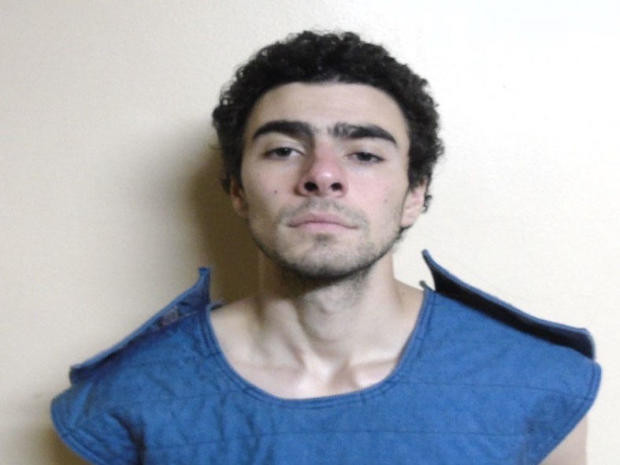
Support for Luigi Mangione, the 27-year-old charged in the killing of UnitedHealthcare chief executive Brian Thompson, has expanded into a nationwide protest movement as the case returns to federal court this week. Mangione, an Ivy League graduate and former tech employee, has pleaded not guilty in the December 2024 shooting outside a Manhattan hotel. But the criminal proceedings have evolved into a broader flashpoint for Americans angry at rising medical costs and insurance denials.
Prosecutors initially filed counts including murder, firearms offenses and a terrorism-related charge, though some allegations have since been dropped. Mangione is now seeking to suppress evidence that his attorneys argue was gathered in violation of constitutional protections. The contested materials include a notebook seized during his arrest and statements made before receiving Miranda warnings.
While the court reviews those legal questions, the reaction outside the courthouse has become a parallel narrative. New York City residents have reported seeing billboard trucks driving through Midtown displaying messages such as "Free healthcare. Free Luigi." Activists have held informal vigils outside federal buildings ahead of upcoming hearings, framing the case as a symbol of anger over the structure of private health insurance.
The December 4th Legal Committee, an advocacy group supporting Mangione, has raised nearly $1.4 million for his defense. Mainstream fundraising platforms such as GoFundMe removed campaigns citing rules against raising money for violent-crime defendants, but alternative platforms like GiveSendGo have filled the gap, enabling donations to continue. The Wall Street Journal reported that Mangione's jail has received close to 6,000 letters, many containing personal accounts of denied claims, medical bills or disputes with insurers.
Grassroots organisations have also emerged around the case. People Over Profit NYC says it is collecting stories of rejected coverage and corporate misconduct, positioning Mangione's trial as a rallying point for wider reform. Supporters argue that their actions are aimed at the healthcare system rather than the alleged crime, describing their mobilization as a protest against what they call a profit-driven model that leaves patients vulnerable.
To some, Mangione has become an emblem of revolt, especially among younger Americans burdened by medical debt or experiences with insurance denials. New York University sociologist Jeff Goodwin, who studies protest movements, said one dynamic driving the response is the perception that Mangione acted on frustrations others share. "He had the chutzpah to do something dramatic, and certain people interpret that as courageous," Goodwin observed.
The national context shaping this response reflects persistent dissatisfaction with the insurance industry. Critics cite high deductibles, denied treatments, and long appeals as evidence of systemic failure. They argue that what the justice system sees as an isolated homicide is, for supporters, a symptom of what they describe as "structural violence"-avoidable suffering tied to lack of affordable care.