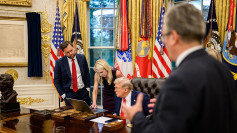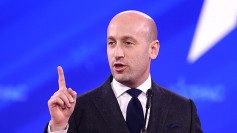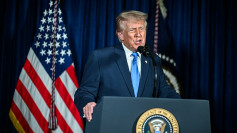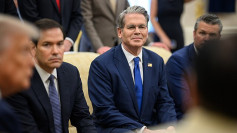
The Department of the Interior's overhaul of the National Park Service's 2026 fee-free calendar has ignited a political and cultural backlash, after officials removed Martin Luther King Jr. Day and Juneteenth while adding President Donald J. Trump's birthday as a no-charge entry date for U.S. residents. The revised lineup, paired with sharply higher costs for international visitors and a redesigned tiered pass system, has drawn criticism from civil-rights advocates who say the policy shifts national parks away from commemoration and toward partisan symbolism.
The Interior Department outlined the changes in a press announcement describing the update as part of a broader push to "modernise" park access beginning Jan. 1, 2026. The most immediate financial change is the introduction of a digital "America the Beautiful" pass priced at £60 ($80) for U.S. residents, while non-residents will pay £187 ($250) for their own pass. Additionally, foreign visitors to 11 of the most-visited parks will face a per-person surcharge of approximately £75 ($100), on top of standard entrance fees.
Beyond pricing, the biggest shift came in the newly published list of "resident-only patriotic fee-free days." The 2026 lineup includes Presidents Day, Memorial Day, Constitution Day, Veterans Day, and the National Park Service's 110th birthday. It also includes June 14 - designated as Flag Day and President Trump's birthday. Notably, Dr. Martin Luther King Jr. Day and Juneteenth, both part of the fee-free calendar in recent years, are absent. The National Park Service confirmed that free entrance on these designated dates applies exclusively to U.S. citizens and permanent residents.
Environmental and civil-rights groups condemned the changes within hours of the announcement. GreenLatinos said the decision "eviscerates the true meaning of public lands" and described the removal of MLK Day and Juneteenth as an affront to equity. The group argued that the new structure "targets immigrants" and disproportionately affects low-income families who depend on universal fee-free days for access.
Outdoor-access advocates highlighted what they described as troubling racial and cultural signals. Tyrhee Moore, executive director of Soul Trak Outdoors, told reporters that eliminating MLK Day and Juneteenth "sends a troubling message about who our national parks are for," emphasizing that communities of color already face structural barriers to outdoor recreation. The National Parks Conservation Association publicly asked, "Why is MLK Day not worthy of a fee-free day anymore?"
Interior Secretary Doug Burgum, however, defended the policy shift as a fairness measure. In the department's release, Burgum said the changes "ensure that U.S. taxpayers, who already support the National Park System, continue to enjoy affordable access, while international visitors contribute their fair share to maintaining and improving our parks for future generations." The announcement framed the new system as "more affordable and more efficient for the American people."
The decision arrives amid wider administrative efforts to reduce state-level DEI initiatives and institute "America-first" pricing across federal programs. MLK Day has long functioned as both a federal holiday and a National Day of Service, with park sites hosting volunteer events tied to civil-rights education. Juneteenth, added to the fee-free calendar shortly after becoming a federal holiday in 2021, had been leveraged by parks to connect public lands with Black history. Critics say removing both days diminishes national recognition and constrains access.
The economic effects may be significant for gateway communities that depend on tourism from abroad. Yosemite, Yellowstone, and the Grand Canyon - all included in the new non-resident surcharge list - may experience shifts in visitation patterns as international travelers face higher entry costs. Advocacy groups warn that the fee hikes could undercut recovery efforts in regions still emerging from pandemic-era losses.