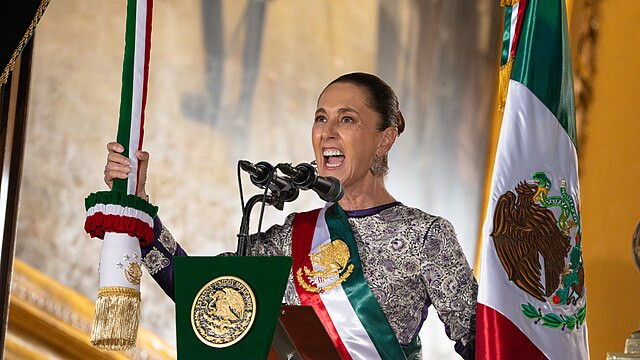
Mexico's decision to impose steep tariff hikes on more than 1,400 imported products is sending ripples across global supply chains, drawing criticism from analysts, foreign governments and major automakers from India to China. The legislation-approved by both chambers of Congress on Wednesday and backed by President Claudia Sheinbaum's Morena party-raises duties as high as 50% beginning in January. The measure targets countries without free-trade agreements with Mexico, including China and India, and arrives as Washington exerts pressure on Mexico to curtail Chinese access to North American markets through indirect channels.
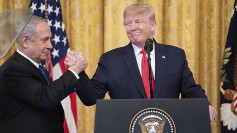
The Senate passed the bill with 76 votes in favor, five against and 35 abstentions. Sheinbaum has argued the tariffs are necessary to revive domestic manufacturing, saying they will "spur domestic production." Analysts, however, view the move as part of a broader strategy to negotiate relief from U.S. tariffs that remain in place under President Donald Trump, who has repeatedly accused China of "using Mexico as a backdoor into the U.S. market."
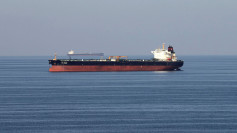
Tariffs of up to 50% will affect textiles, shoes, appliances, cars and auto parts-sectors deeply integrated into North American supply chains. China, which exported $130 billion in goods to Mexico last year, stands to be the most affected. The Chinese government criticized the proposal when it was introduced in September, warning of commercial retaliation.
Oscar Ocampo, director of economic development at the Mexican Institute for Competitiveness, said the policy shifts reflect geopolitical pressure rather than domestic economics. "The real reason has to do with the United States, it has to do with the review of the USMCA ... with the negotiations to obtain reductions, exemptions from the tariffs that Mexico is facing at this moment to access the U.S. market," he said. Ocampo added that Mexico was bending to an "unpredictable" President Trump and moving "in the wrong direction," warning of disruptions across auto parts, plastics, chemicals and textiles.
The effects extend far beyond China. India, Mexico's third-largest automobile supplier, faces a direct hit to nearly $1 billion in annual vehicle exports. According to a letter reviewed by Reuters, the Society of Indian Automobile Manufacturers urged India's commerce ministry in November to press Mexico to "maintain status quo" on duties. "The proposed tariff hike is expected to have a direct impact on Indian automobile exports to Mexico...we seek Government of India's support to kindly engage with the Mexican government," the industry body wrote.
The new tariff rate on imported cars-rising to 50% from 20%-poses immediate challenges for major exporters such as Volkswagen, Hyundai, Nissan and Maruti Suzuki. Volkswagen is the most exposed, with its Indian subsidiary, Skoda Auto Volkswagen, accounting for nearly half of India's car shipments to Mexico. "Mexico has consistently been one of our important export markets, given the rising demand there and the traction of our India-made models," said Piyush Arora, head of VW's India unit, before the tariff was approved.
Customs data show India exported $5.3 billion in goods to Mexico last fiscal year, including nearly $1 billion in automobiles. Hyundai shipped cars worth $200 million, Nissan exported $140 million, and Suzuki's exports totaled $120 million. Automakers told officials that most of these shipments are compact vehicles designed specifically for Mexican buyers-not high-end models manufactured locally for export to the U.S. "Indian-origin vehicles are not a threat to Mexican local industry," the industry group said, noting they represent "just about 6.7 percent" of Mexico's annual passenger vehicle sales.