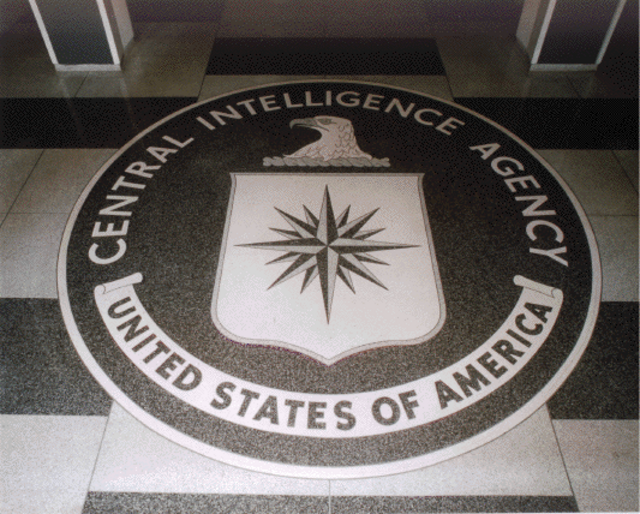
U.S. intelligence agencies are facing renewed scrutiny after reports that the Central Intelligence Agency carried out a covert drone strike on a remote port facility along Venezuela's northern coast, marking what officials describe as the first known U.S. attack on a land-based target inside the country during the current counter-narcotics campaign. The reported operation, disclosed by CNN and referenced publicly by President Donald Trump, represents a sharp escalation in Washington's pressure on the government of Venezuelan President Nicolás Maduro.
According to sources familiar with classified briefings cited by CNN, the CIA used a drone to strike a small dock believed to be used by the criminal group Tren de Aragua to store narcotics and transfer shipments onto boats. The sources said the facility was unoccupied at the time, resulting in no casualties. The strike reportedly occurred earlier this month at an isolated coastal site.
President Trump alluded to the operation during a December interview on New York radio station WABC, saying the United States had destroyed a facility "where they load the boats up with drugs." He added: "that is no longer around." Trump declined to identify which agency conducted the operation or to specify its exact timing, saying only that it happened "earlier this month."
Neither the CIA nor the White House has issued formal public confirmation. A spokesperson for U.S. Special Operations Command said the command "did not support this operation to include intel support," indicating that the action was not conducted under military authorities. The comment reinforced reporting that the strike fell under covert intelligence authorities rather than overt military action.
The reported strike comes amid an expanding U.S. campaign targeting drug trafficking routes linked to Venezuela. Since September, U.S. forces have carried out more than 30 operations against suspected narcotics vessels in the Caribbean Sea and eastern Pacific, according to officials. Those actions, largely maritime interdictions, have resulted in the destruction of boats and at least 107 reported deaths.
Key elements of the broader campaign include:
- Expanded U.S. naval deployments in the Caribbean, including major surface vessels
- Repeated strikes on suspected drug-smuggling boats in international waters
- Increased intelligence monitoring of Venezuelan coastal infrastructure
- Public statements tying narcotics trafficking to Venezuelan criminal networks
The reported CIA strike would mark a geographic escalation, extending operations from open waters onto Venezuelan territory. U.S. officials have described the campaign as aimed at dismantling trafficking networks linked to organized crime and corruption rather than targeting the Venezuelan state directly.
Trump previously acknowledged in October that he had authorized the CIA to conduct covert lethal operations inside Venezuela, an unusually direct admission given the secrecy that typically surrounds such programs. That authorization has drawn attention from lawmakers, since U.S. law requires notification to select members of Congress when covert action is approved.
Venezuelan authorities have not confirmed that a U.S. strike occurred. Separately, a fire reported on Dec. 24 at a chemical facility in Zulia state prompted speculation online, but the company involved denied any attack and said the incident was unrelated to foreign activity.
Officials in Caracas have historically accused Washington of pursuing "imperialist" aggression and destabilization campaigns. While President Nicolás Maduro has not commented publicly on the specific allegation of a CIA strike, Venezuelan officials have repeatedly warned that U.S. actions threaten regional stability.