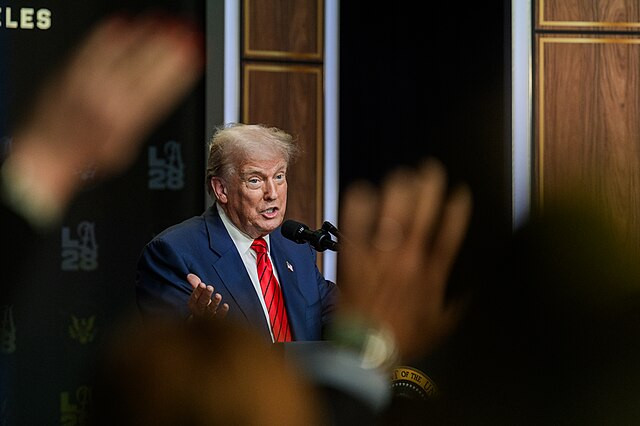
President Donald Trump sparked debate over the limits of modern medicine after claiming that experimental treatments available through the Right to Try Act have helped revive patients who appeared to be near death, a remark that quickly drew scrutiny from medical experts questioning the scientific basis of the assertion.
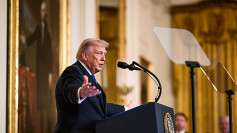
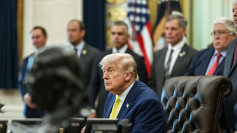
Speaking during a White House event on May 11, Trump pointed to what he described as dramatic recoveries among terminally ill patients who received access to experimental therapies under the law he signed in 2018. The legislation was designed to allow patients with life-threatening illnesses to seek investigational treatments outside traditional Food and Drug Administration approval pathways.
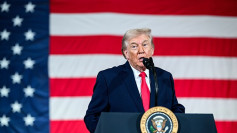
"We've taken people that were dead," Trump said during the event. "We had a person given the last rites - gone, the kids are crying and everything - and started them on this drug. And the person became better. It works."
The president did not identify the treatment, provide details about the patient involved, or cite clinical evidence supporting the claim. The absence of supporting documentation quickly became the focus of discussion among physicians and researchers who said the statement lacked critical context.
The Right to Try Act has long been promoted by supporters as a pathway for patients facing terminal diagnoses to access potentially life-saving therapies before full regulatory approval. Advocates argue the law offers hope when conventional treatments have been exhausted. Critics, however, have warned that experimental drugs often lack sufficient evidence of effectiveness and may create unrealistic expectations.
Medical specialists responding to Trump's remarks stressed that no approved or experimental drug has been scientifically demonstrated to reverse biological death.
Several experts noted that recoveries sometimes occur when patients are revived from cardiac arrest or other life-threatening medical emergencies, situations that differ significantly from irreversible death. In such cases, patients may regain circulation and consciousness after aggressive treatment even after appearing clinically unresponsive.
A widely circulated social media video discussing Trump's comments described the president's account as "an unverified anecdotal claim rather than a medically established event." Other commentators similarly highlighted the lack of a named treatment, patient records, or peer-reviewed research supporting the assertion.
Physicians also pointed to established resuscitation techniques that are routinely used in emergency medicine. These include CPR, defibrillation and medications such as epinephrine, which can restore heart function under specific circumstances. None of those interventions, experts said, amount to bringing a person back after confirmed biological death.
Researchers studying near-death experiences and advanced resuscitation methods have explored how brain activity may persist for a limited period after cardiac arrest. Experimental approaches involving therapeutic hypothermia and other interventions are aimed at extending the window during which successful revival remains possible.
Some scientists have also examined rare cases known as the Lazarus phenomenon, in which patients unexpectedly regain signs of life after resuscitation efforts have ceased. While unusual, those cases are generally attributed to delayed physiological responses rather than any treatment capable of reversing death itself.