Iran resumed direct military attacks against U.S. forces after a brief pause in hostilities, prompting a sharp rally in global oil prices and raising fresh concerns about the stability of energy markets. Brent crude climbed nearly 6% while West Texas Intermediate gained more than 6% on Wednesday after Tehran launched ballistic missiles toward a U.S. military base in Jordan, according to U.S. military officials.
The renewed fighting marks another escalation in the confrontation between Washington and Tehran, coming as both sides weigh military and economic strategies. President Donald Trump responded by warning that the United States would retaliate forcefully, while senior administration officials argued that economic pressure remains one of Washington's most effective tools against Iran.
Energy traders reacted immediately to the renewed violence. By 8:21 a.m. ET, benchmark crude prices had posted some of their strongest gains in recent weeks:
- Brent crude: Up nearly 6% to just under $87 per barrel.
- West Texas Intermediate (WTI): Up 6.61% to approximately $84.50 per barrel.
The gains reflected growing fears that an expanding conflict could threaten energy supplies from the Middle East, particularly if tensions disrupt shipping routes around the Strait of Hormuz, one of the world's most important oil transit corridors.
The U.S. Central Command said Iranian forces launched a coordinated missile strike against American personnel stationed in Jordan. In a statement, the command said, "Islamic Revolutionary Guard Corps forces launched multiple ballistic missiles from Iran in an attempted surprise attack on U.S. forces based in the Middle East."
According to CENTCOM, the attack failed to inflict damage after U.S. defenses intercepted the incoming missiles. The military added, "all Iranian missiles were successfully intercepted. U.S. forces remain vigilant and at a high state of readiness."
Washington later responded by targeting Iran-backed militias operating in Iraq in coordination with Saudi Arabia, according to the report. The retaliatory operation followed several recent strikes directed at Saudi territory, with militant groups reporting that at least 20 fighters were killed.
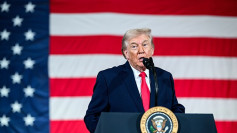
President Donald Trump addressed the latest escalation during an interview with Fox News, signaling that additional military action remains under consideration. According to the report, Trump said the United States would strike Iran hard following Tehran's latest attacks on American positions in the region.
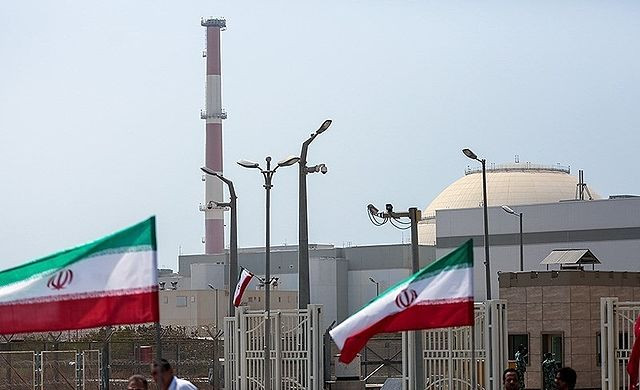
The renewed fighting came shortly after The New York Times reported that Iranian officials believe the current balance of the conflict favors Tehran. According to the newspaper, Iranian leaders intend to press Washington to recognize Iran's control over the Strait of Hormuz, a strategic objective the United States has consistently rejected.
At the same time, the report noted that Iran continues to face mounting economic challenges despite its military posture. The country's economy remains under severe strain from the U.S. blockade of Iranian ports and years of economic deterioration, complicating Tehran's long-term strategy even as it seeks greater influence over one of the world's busiest maritime energy routes.
Iranian Foreign Minister Abbas Araghchi has continued diplomatic outreach alongside the military confrontation. According to the report, Araghchi recently held discussions with counterparts from Oman and Saudi Arabia regarding the future of commercial navigation through the Strait of Hormuz, underscoring the waterway's importance to both regional security and global energy markets.
While military exchanges continue, senior Trump administration officials reportedly believe financial pressure may ultimately inflict greater damage on Iran than sustained airstrikes alone. According to Axios, U.S. officials argue that sanctions and broader economic measures are driving Iran into one of its deepest economic crises in years by reducing government revenues, creating shortages and weakening Tehran's ability to finance both its military operations and regional proxy groups.