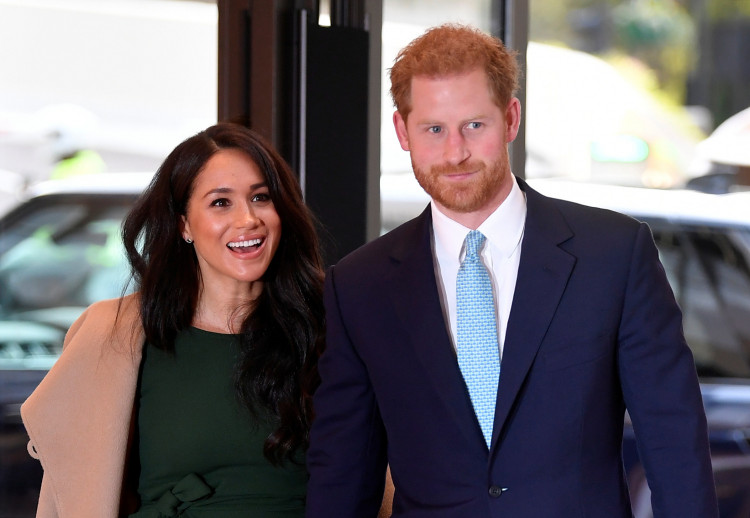
Prince Harry's latest visit to the United Kingdom has renewed debate over the security arrangements afforded to the Duke of Sussex and the challenges surrounding his role outside the Royal Family, with one royal commentator arguing that his expectations no longer align with his status as a non-working royal.
The visit, which included events connected to the countdown for the 2027 Invictus Games, became overshadowed by renewed discussion over personal security, accommodation and official protocol. Reports indicated that Meghan Markle, Prince Archie and Princess Lilibet did not accompany Harry to public engagements in Britain amid continuing disagreements over security arrangements.
The Duke and Duchess of Sussex stepped back from their roles as senior working royals in 2020 and relocated to California. Since then, Harry has repeatedly challenged decisions regarding publicly funded police protection during visits to the United Kingdom, arguing that the level of security available to him and his family is insufficient.
Commenting on Harry's most recent visit, royal commentator Emily Andrews told Woman & Home magazine that what could have been a straightforward trip instead became dominated by disputes over logistics and security.
"The drama with Prince Harry shows no sign of abating or calming down," Andrews said.
She added, "His hoped for family reunion unravelled into an unseemly row over who said what, when, where people could stay, and why exactly he feels unsafe in the UK."
According to Andrews, the central issue extends beyond security itself and reflects the difficulty of balancing Harry's independent public role with expectations formed during his years as a senior member of the Royal Family.
"For me, it was trying to combine the two things, his family and his work, that has proved so difficult," she said.
"He is no longer a working royal, and so cannot act like one."
The Duke has consistently maintained that his family faces heightened security risks while in Britain.
Andrews acknowledged those concerns but suggested Harry's expectations exceed what officials can reasonably provide to someone no longer carrying out official royal duties.
"He genuinely believes his wife and children are not safe in the UK without guards armed with guns," Andrews said.
She added, "Even the offer of accommodation at Buckingham Palace and safe passage in and out was not good enough."
Buckingham Palace has not publicly commented on the latest reports regarding Harry's security discussions.
Despite the disagreement surrounding public appearances, reports indicated that Harry, Meghan, Archie and Lilibet privately met King Charles III and Queen Camilla at Highgrove House in Gloucestershire during the visit. The gathering reportedly marked one of the King's few opportunities to spend time with his California-based grandchildren in recent years, although Buckingham Palace did not publicly discuss the meeting.
Andrews also argued that Harry's approach to security cannot be separated from the lasting emotional impact of the death of his mother, Princess Diana, in 1997.
While stressing that she is not a security specialist, Andrews suggested the experience continues to shape Harry's assessment of personal risk and his determination to secure the highest possible level of protection for his wife and children.