Ukraine launched a long-range drone attack targeting an oil refinery deep inside Russia in a strike that Russian authorities said killed 13 people and injured 75, making it the deadliest Ukrainian attack inside Russia in more than two years as Kyiv intensifies efforts to disrupt Moscow's energy revenues.
The attack occurred around Nizhnekamsk in Russia's Tatarstan region, hundreds of miles from Ukrainian-controlled territory and home to the Taneco oil refinery. Ukraine's military identified the refinery as its target, although it wasn't immediately clear whether the facility itself sustained a direct hit, CNN reported.
Videos circulating on social media showed flames and large columns of smoke rising outside Nizhnekamsk near structures resembling refinery towers, according to CNN. The available footage didn't independently establish the extent of any damage to Taneco.
The strike extends a Ukrainian campaign against Russia's oil industry that has increasingly pushed the economic component of the war deep into Russian territory. Refineries, storage facilities and other energy infrastructure have become important targets as Kyiv seeks to weaken one of Moscow's principal sources of wartime revenue.
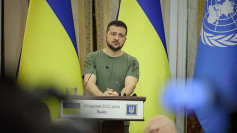
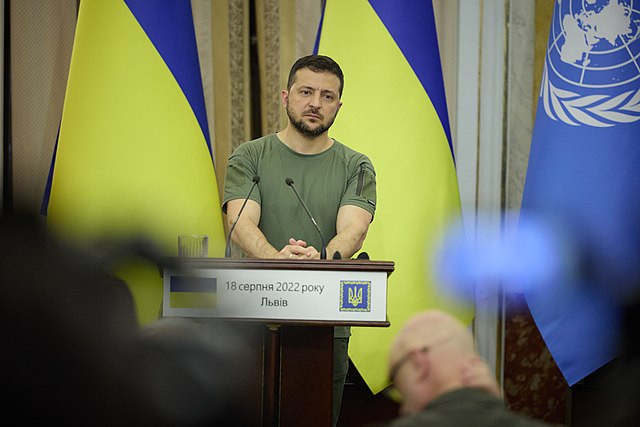
Ukrainian President Volodymyr Zelensky said last week that Ukrainian forces had successfully attacked another Russian refinery. He has characterized the broader campaign as "long-range sanctions" intended to "limit Russia's oil revenues, which it uses to finance the war and the killing of Ukrainians."
The strategy gives Ukraine a way to impose economic costs beyond the battlefield at a time when the ground war has produced relatively limited territorial movement. Russian energy infrastructure is particularly attractive because oil exports remain central to Moscow's ability to generate revenue despite years of Western sanctions.
Ukraine's ability to carry out increasingly deep strikes, however, contrasts with its mounting defensive problems at home. Kyiv has warned that its stocks of missile interceptors are under severe pressure as Russia expands missile and drone attacks against Ukrainian cities and critical infrastructure.
Those shortages are becoming particularly important as Ukraine prepares for winter. Despite summer temperatures, Zelensky has made protection of power plants, heating systems and other essential facilities a priority amid fears that Russia could mount another sustained campaign against the country's energy network.
Moscow has stepped up attacks in recent weeks, increasing pressure on Ukrainian air defenses. Analysts have said Russia could seek to exploit Kyiv's limited inventory of ballistic-missile interceptors by forcing Ukraine to expend expensive defensive weapons before colder weather arrives.
The competing campaigns have increasingly turned energy infrastructure into a central front in the war. Ukraine is attempting to damage the Russian facilities that generate and process valuable oil, while Moscow is targeting the electricity and heating infrastructure that Ukrainian civilians depend on.
Ukraine's expanding long-range capabilities are also affecting Western assessments of Russia's strategic calculations. U.S. intelligence officials believe Russian President Vladimir Putin could consider a limited attack against a NATO member in coming years as a way to test whether the alliance would respond collectively, The Wall Street Journal reported.
Earlier U.S. assessments had concluded that Putin was unlikely to take such a risk while Russia remained heavily committed to the war in Ukraine. That view shifted earlier this year as the conflict continued without decisive changes to the front line while Ukraine demonstrated an ability to penetrate Russian territory and inflict damage on its oil industry, according to the Journal.