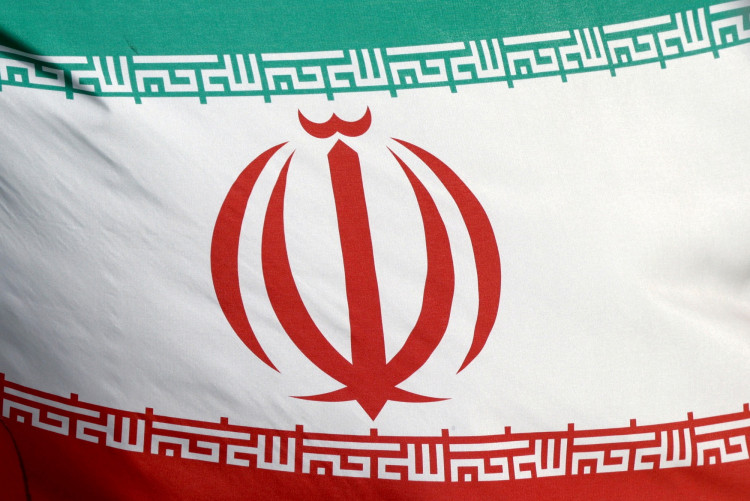
Iranian officials are increasingly concerned that the economic fallout from the war with the United States could trigger renewed domestic unrest, even as Tehran continues to threaten escalation and President Donald Trump signals that Washington intends to intensify financial pressure rather than set a timetable for ending the conflict.
Two Iranian officials told Reuters that the government is confronting mounting economic strains as U.S. measures compound longstanding problems including high inflation, a weakening rial and energy shortages. War damage to infrastructure and lost production are adding to the pressure on households and businesses.
The concerns expose a growing vulnerability for Tehran as it tries to sustain its confrontation with Washington. Iran must balance its threats of further military action with an economy already struggling to absorb higher living costs, reduced purchasing power and disruptions caused by the conflict.
Housing costs offer one measure of that pressure. Rents rose more than 30% in March, according to Reuters, while the value of Iran's minimum wage has continued to erode despite a nominal increase of more than 60%.
Measured in U.S. dollars, the minimum wage has fallen from roughly $105 to about $86 since March as the rial depreciated. That decline means wage increases haven't translated into equivalent gains in purchasing power for Iranian workers.
Washington, meanwhile, is preparing to tighten the squeeze. Treasury Secretary Scott Bessent said last week that the U.S. would impose economic measures "that have never been seen on Iran," framing the next stage of the administration's strategy around financial isolation and pressure on Iranian trade.
Speaking to Newsmax, Bessent said the approach "will be a combination of economic isolation like the world has never seen before, and the continued blockade in the Strait of Hormuz that will keep anything from going in or out of the Iranian ports."
Bessent offered few details about what additional measures Treasury could deploy. Asked about what was coming next, he said only: "just watch this space."
Trump has similarly argued that economic pressure is weakening Tehran and suggested that Washington can afford to wait. In an interview with Real America's Voice, the president painted a dire picture of Iran's finances, though the figures he cited weren't independently substantiated in the provided reporting.
"They've got 300% inflation. Their currency has almost no value. They're not paying their soldiers. Their soldiers are leaving," Trump said.
Trump also said he remains prepared to use military force but indicated that economic coercion is currently his preferred course. "Economically, they are a mess. They can't borrow money. We control their money, what they had, which is a lot. They had a lot, and we have total control of it. I'm their banker," Trump said.
The pressure campaign comes as prospects for a negotiated settlement remain uncertain. Trump said this week that a backchannel for peace negotiations remains open, suggesting that diplomatic contacts haven't stopped despite continued hostilities.
Yet the president paired that acknowledgment with a demand for capitulation. Iran "should put up the white flag of surrender," Trump said, signaling that the administration isn't publicly presenting the backchannel as a negotiation between parties on equal terms.
Trump also declined to identify a deadline for either military victory or an agreement with Tehran. "I have no time schedule," Trump told Fox News' Trey Ingst on Monday. "They're good poker players, but they're dying."