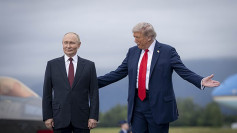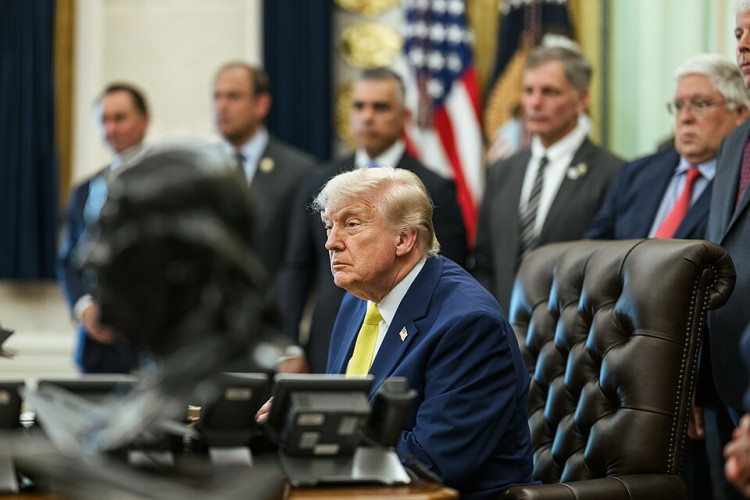
President Donald Trump is increasingly focused on the legacy of his second term, according to reports citing White House insiders, as Republican advisers press him to devote more attention to the economy and the November 3 midterm elections. The competing priorities have prompted private discussions about his campaign schedule, political spending and the administration's handling of issues affecting congressional races.
An unnamed senior administration official described Trump as having entered "legacy mode," according to The Wall Street Journal. Other aides told the newspaper that the president has become increasingly interested in how future generations will remember his administration, even as Republicans prepare to defend their congressional majorities.
The concerns extend to Trump's day-to-day priorities. Axios reported on September 21 that advisers described him as generally being in good spirits, although some also recounted occasional irritability. Those anonymous observations provide accounts of his interactions with aides, not evidence of a medical condition.
Former House Speaker Newt Gingrich, a longtime Trump ally, offered an explanation for the president's focus on his place in history. "He wants to be consequential. He wants this to matter," Gingrich told the Journal.
White House spokesman Davis Ingle disputed the suggestion that Trump's legacy ambitions were distracting him from governing. Ingle told the Journal that the president remained focused on delivering prosperity and peace, presenting his long-term ambitions as part of his administration's broader agenda.
The Journal reported that advisers had spent months trying to steer Trump's attention toward economic issues. His interest in projects associated with his presidency, including a White House ballroom and a proposed triumphal arch, has sometimes competed with efforts to keep affordability prominent in his public appearances.
Economic conditions have given Republican strategists a specific reason to emphasize household costs. The war with Iran has contributed to higher fuel prices, while mortgage rates and other living expenses remain concerns for voters. A Reuters/Ipsos poll published September 21 put Trump's overall approval rating at 32%, with 17% of surveyed U.S. adults approving of his handling of living costs.
The administration has also made preparations to increase Trump's involvement in congressional campaigns. CNN reported August 15 that he had approved spending from his political organization to support Republican candidates and that advisers were planning at least one campaign trip a week to competitive districts.
The planned spending and travel were accompanied by differing assessments among his advisers. Some expressed uncertainty about how consistently Trump would maintain the schedule, while others emphasized his ability to draw supporters who participate in presidential elections but are less consistent midterm voters. CNN reported that the Iran war and high gasoline prices were among the issues advisers had raised with him.
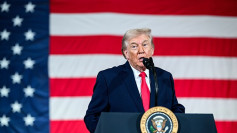
White House spokeswoman Olivia Wales told CNN that Trump was committed to maintaining Republican control of Congress. He subsequently appeared at the Republican midterm convention in Dallas in September, where the party assembled candidates and officials ahead of the November elections.
Immigration has created another disagreement within Republican ranks. On September 17, Florida Rep. María Elvira Salazar released a campaign advertisement criticizing parts of Trump's enforcement policy and warning that Hispanic voters who supported him in 2024 were dissatisfied.
"Mr. President, some of your immigration enforcement efforts have gone too far," Salazar said in the advertisement. She also warned: "The same Hispanics who helped you get to the White House in 2024 feel betrayed today."
Salazar represents Florida's 27th Congressional District, which includes much of Miami-Dade County and has a population that is roughly 74% Hispanic. Her campaign message illustrates how some Republican candidates are addressing disagreements over administration policy while seeking another term in Congress.
Meanwhile, Trump's legacy projects remain part of his public agenda. The Journal has reported that his interests include the White House ballroom, a proposed monumental arch and other initiatives intended to leave a lasting physical record of his presidency. Advisers have also discussed the role of his presidential library and how his administration will be presented in historical accounts.