Russia has lowered its natural gas production and export forecasts for 2026 as Ukrainian attacks continue to damage its energy infrastructure and Europe prepares to end its remaining purchases of Russian gas. The revised outlook comes as President Donald Trump and Ukrainian President Volodymyr Zelensky discuss a possible agreement to halt attacks on energy facilities on both sides of the war.
Russia's Economy Ministry now expects natural gas production to reach 683.1 billion cubic meters this year, down 5.3 billion cubic meters from its May projection, according to a draft government document reviewed by Reuters. Output would nevertheless remain above the 662.7 billion cubic meters produced in 2025.
The downward revision adds to pressure on Russia's energy sector, which faces both the consequences of the war and a shrinking European export market. Moscow has also reduced its oil production forecast for 2026 to a 17-year low, according to earlier Reuters reporting.
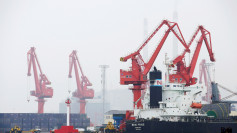
Russia's revised gas outlook comes as the European Union prepares to eliminate its remaining purchases of Russian natural gas next year. Moscow has argued that European countries are paying unnecessarily high prices for alternative supplies and maintains that it is prepared to resume gas deliveries.
The Kremlin has accused European governments of damaging their own economies by relying on the spot market rather than Russian gas. The loss of European customers has fundamentally altered Russia's energy trade since its full-scale invasion of Ukraine in February 2022, forcing Moscow to adjust its production and export plans.
Ukraine's continuing campaign against Russian energy infrastructure has added another dimension to the dispute. Ukrainian forces have repeatedly struck oil refineries and other facilities, while Russia has continued attacking Ukraine's electricity network and other critical infrastructure.
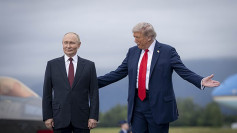
Trump highlighted the damage to Russian refineries on Monday, saying Moscow had "unfortunately lost control" of its diesel industry. He wrote that a "large number of their Diesel refineries have been blown up and are, at least temporarily, out of commission."
The U.S. president also renewed his appeal for an end to the fighting, citing the continuing loss of life. "The whole World suffers as 25,000 people, mostly soldiers, are being killed each month. What a shame!" Trump wrote. The casualty figure was his estimate, rather than an independently verified monthly death toll.
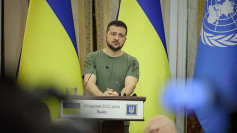
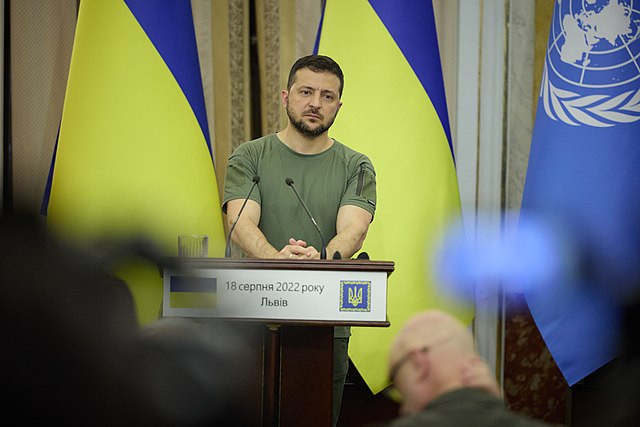
The prospect of limiting attacks on energy infrastructure became a central issue when Trump met Zelensky on Tuesday on the sidelines of the United Nations General Assembly in New York. The Ukrainian president said Kyiv was prepared to stop striking Russian energy facilities if Moscow agreed to halt attacks on Ukraine's power, heating and water systems.
"President Trump, our teams, and I spoke about how to end the war. This is the priority. We are ready. I'm not sure Russia is ready as of today, but anyhow, we spoke about an energy ceasefire," Zelensky said.
He outlined a reciprocal arrangement under which both countries would refrain from targeting each other's energy infrastructure, with Washington conveying Ukraine's proposal to Moscow.
"We are ready for an energy ceasefire if they do not attack our energy system, our electricity, heating, and water supply. This is our proposal. We are thankful to the American side. They will share it with the Russians. I don't know the Russian position," Zelensky said.
The proposal would require commitments from both governments. Ukraine has indicated that it will not unilaterally suspend its attacks on Russian refineries while Moscow continues striking Ukrainian infrastructure, particularly as the country prepares for winter.
Zelensky also urged Trump to arrange a three-way meeting involving Russian President Vladimir Putin, saying the leaders needed to move "as quickly as possible" toward an agreement. Moscow has not publicly accepted the proposed energy ceasefire or committed to the suggested trilateral talks.
Beyond the ceasefire discussions, Zelensky said his meeting with Trump addressed Ukraine's immediate air-defense requirements and longer-term weapons production. Kyiv is seeking additional Patriot missiles for the winter and U.S. licenses that would eventually allow it to manufacture weapons domestically.
The air-defense discussions come as Ukraine faces the prospect of further Russian strikes against electricity and heating infrastructure during the colder months. Zelensky has made protection of those systems a priority in his talks with Washington, alongside securing additional weapons and pursuing diplomatic arrangements to reduce attacks on civilian infrastructure.