Mortgage rates in the US have remained relatively steady in the past week, but since the beginning of the year their ups and downs have created problems for those trying to get a loan to buy a home.
U.S. long-term mortgage rates have been stable to fall marginally after two weeks of declines despite growing concern about the serious economic damage from the coronavirus pandemic.
Home loan rates have reached all-time lows and Freddie Mac, a mortgage borrower, says there is room for them to climb further, based on his research.
Both the average rates on fixed 30-year and fixed 15-year mortgages dropped. The average rate on 5/1 adjustable-rate mortgages trended upward on the variable mortgage side. Mortgage rates are continually changing but they remain a steal relative to pre-Great Recession rates.
Specifically, the average fixed mortgage rate for the 30-year benchmark is 3.73 percent, down 13 basis points in the past week. The average rate on a 30-year fixed mortgage was 3.83 percent higher a month ago.
The average fixed-hypothesis rate of 15 years is 3.23 percent, down 7 basis points in the last seven days. The average rate on a 5/1 ARM is 3.49 percent, which has climbed 14 basis points in the last 7 days.
The study by Freddie Mac is based on a survey of lenders comprising a mixture of thrifts, credit unions, commercial banks and mortgage lending firms. The amount of each form of lender surveyed is approximately proportional to the part they play in the mortgage industry.
Furthermore, the survey results are weighted every week on the basis of the most recent data on the dollar amount of traditional loans, which means loans qualified for acquisition by Freddie Mac or Fannie Mae.
Thus, the survey does not represent changes in loan rates supported by other agencies, such as the Federal Housing Administration or the Veterans Affairs department. It does not have "jumbo" loan rates, either.
In reaction to economic doubts, demand from prospective homebuyers has decreased and the housing sector was disrupted by the coronavirus just as it entered the busy spring season.
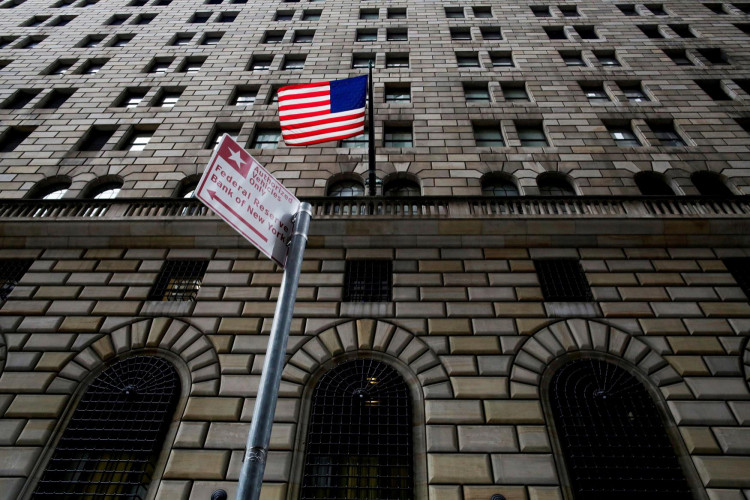
Meanwhile, the US central bank bought $109,352 billion in mortgage-backed securities during the week from April 2 to April 8, compared with $144,571 billion bought the previous week, the New York Federal Reserve Bank disclosed on Thursday.
In a bid to support the housing sector that started in October 2011, the Federal Reserve used funds from main payments on the agency debt and mortgage-supported bonds, which it owns to reinvest in the MBS.