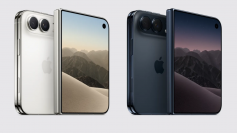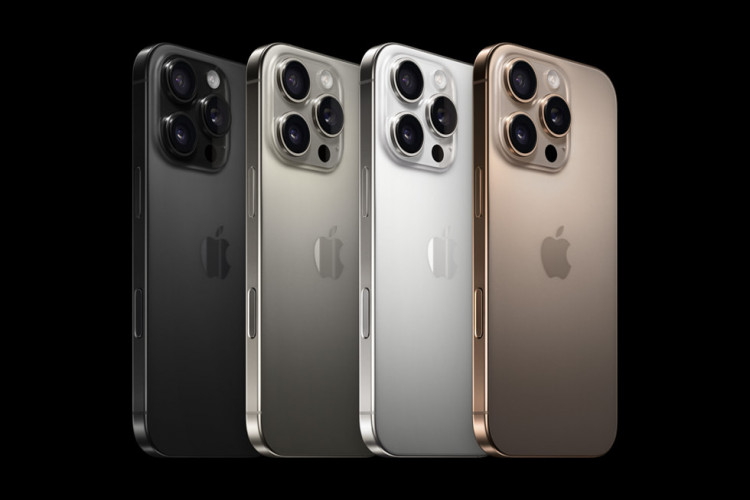
Apple Inc. is preparing a significant shift in its iPhone strategy this September, unveiling its first foldable handset alongside the iPhone 18 Pro and iPhone 18 Pro Max, according to supply-chain assessments cited by analyst Jeff Pu. The devices will debut with Apple's next-generation A20 Pro processor, marking the company's most consequential hardware transition since the introduction of Apple Silicon.
The move departs from Apple's long-standing practice of releasing an entire iPhone generation at once. The standard iPhone 18 and lower-cost iPhone 18e models are now expected to follow in spring 2027, reflecting a deliberate bifurcation between premium and mass-market launches as Apple introduces a new form factor.
At the center of the strategy is the A20 Pro chip, manufactured by TSMC using its advanced 2-nanometer N2 process. The processor is expected to deliver up to 15% faster performance and roughly 30% improved power efficiency over the A19 generation, according to industry projections, extending Apple's lead in mobile silicon design.
The A20 Pro also introduces a packaging redesign through wafer-level multi-chip module integration, embedding 12 gigabytes of LPDDR5 memory directly alongside the CPU, GPU and Neural Engine. By eliminating the traditional silicon interposer used to connect discrete memory, Apple is reducing latency, improving power stability and freeing internal space for other components.
Power management enhancements include new super-high-performance metal-insulator-metal capacitors, which more than double capacitance density while reducing electrical resistance by about 50%. Engineers familiar with the architecture say the changes are aimed at supporting on-device artificial intelligence workloads while preserving battery life.
The foldable iPhone itself represents Apple's most radical hardware redesign in more than a decade. The device is expected to use a book-style hinge, opening to a 7.8-inch inner display and closing to a 5.5-inch external screen. When unfolded, the device measures about 4.5 millimeters thick, expanding to roughly 9 to 9.5 millimeters when closed.
Apple has focused heavily on minimizing display creasing, a persistent weakness in rival foldable phones. The company is using laser-drilled metal plates and a liquid-metal hinge system to distribute bending stress across the panel, a design approach intended to produce what suppliers describe as a near crease-free viewing surface.
Authentication will reportedly rely on Touch ID integrated into the side button rather than Face ID, reflecting the variable orientation of a foldable device. Engineers involved in the design process consider fingerprint recognition more reliable across folded and unfolded use cases.
Across the premium lineup, Apple is standardizing key specifications. The foldable model, iPhone 18 Pro and Pro Max will all feature 12GB of memory, Apple's in-house C2 modem and 48-megapixel rear camera systems. The Pro models will retain slab-style designs with 6.3-inch and 6.9-inch LTPO OLED displays, each supporting 120Hz refresh rates and Dynamic Island interfaces.