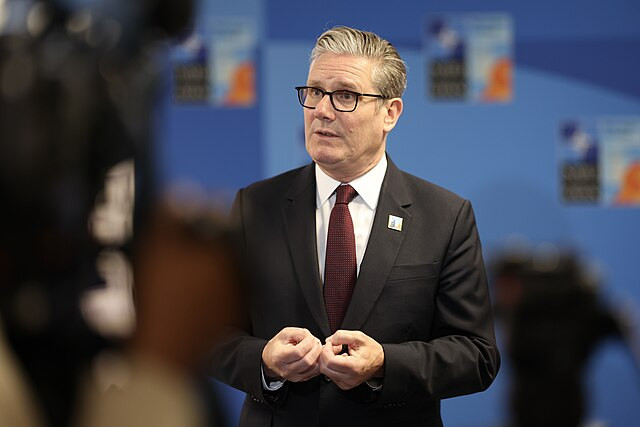
British Prime Minister Keir Starmer said he was misled about the extent of Peter Mandelson's ties to Jeffrey Epstein, apologizing publicly for approving Mandelson's appointment and acknowledging what he described as "the depth and the darkness" of the relationship as it became clearer to his government.
Speaking in Westminster, Starmer said he was "sorry," adding he was sorry "for having believed Mandelson's lies and appointed him," and sorry that Epstein's victims were being forced to "watch this story unfold in public once again." The remarks came as scrutiny intensified over how Mandelson was vetted for the role of UK ambassador to Washington.
Starmer said Mandelson had been questioned directly during the vetting process about his association with Epstein. "It had been publicly known for some time that Mandelson knew Epstein," Starmer said, "but none of us knew the depth and the darkness of that relationship." He added that the government would not "look away" or "shrug our shoulders," insisting that accountability was required because "that is what the victims deserve."
The apology, however, did little to quiet questions about judgment at the top of government. Starmer has acknowledged he knew Mandelson's friendship with Epstein continued after Epstein's 2008 conviction, a detail that has sharpened criticism from across the political spectrum about whether the appointment should ever have been considered.
Within the governing Labour Party, anger spilled into public view. Veteran Labour lawmaker John McDonnell said in a parliamentary debate that while he would not call for Starmer's resignation, he had "lost confidence in him," adding that the Mandelson decision "pushed me over the edge." The comments underscored growing unease on Labour's own benches.
Opposition Conservatives seized on the turmoil. Former cabinet minister Esther McVey said the controversy would hasten the "crumbling" of Starmer's government, a claim Labour officials dismissed as opportunistic but one that reflects the broader political risk of the episode.
Starmer's defense rests on the assertion that he was deceived. He said Mandelson's answers during vetting were untrue and that the full scope of the Epstein connection only became apparent later. Critics counter that the persistence of Epstein's presence in elite circles has repeatedly raised questions about how proximity to power is assessed-and excused-by those making appointments.