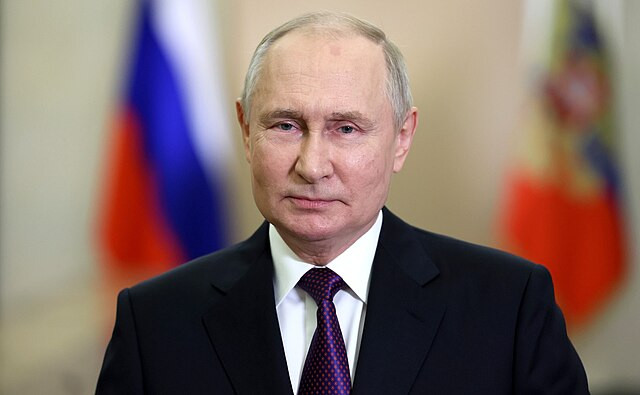
The latest release of U.S. court documents tied to Jeffrey Epstein has spilled far beyond legal circles, triggering a surge of online commentary that now includes revived remarks attributed to Vladimir Putin. As Epstein-related headlines circulate again, social media users are pairing them with old clips and translations of Putin's speeches, presenting them as commentary on Western power, elite behavior and moral decay.
The renewed attention has been driven largely by posts on X, where viral threads combine Epstein updates with fragments of Putin's past remarks. In these posts, the emphasis is less on geopolitics and more on symbolism, framing the Epstein scandal as evidence of a broader failure of accountability among powerful figures.
Much of the material being reshared dates back years and originally appeared in longer speeches criticizing Western institutions. Online, however, these remarks are circulating almost entirely stripped of context. Short clips, translated captions and dramatic phrasing are moving faster than the original sources, reshaped to fit the current moment rather than the circumstances in which they were delivered.
One phrase in particular has gained traction: a metaphor likening Western elites to exploitative figures whose influence is nearing its end, commonly summarized online as a "vampire ball." The wording appears repeatedly across memes, videos and comment threads, often without reference to when or where the remark was made. Instead, it has become shorthand for anger toward individuals perceived to have enjoyed protection from consequences.
The timing of the revival is closely tied to the Epstein document releases. Although the newly unsealed materials have not produced new criminal charges, they have revived long-running questions about how Epstein, a convicted sex offender, maintained access to politicians, financiers and celebrities for years. For many online commentators, the issue is less about specific revelations than the sense that accountability remains incomplete.
Across comment sections and stitched videos, a recurring theme emerges: skepticism that the full story surrounding Epstein and his associates has ever been exposed. Users frequently frame the scandal as an example of how attention shifts quickly, allowing uncomfortable questions to fade before answers or consequences materialize.
Notably, much of the momentum is now coming from entertainment and commentary accounts rather than legal analysts or political reporters. Celebrity-focused pages and viral video creators have taken the lead in shaping the narrative, favoring emotionally resonant metaphors over procedural detail. In that environment, dramatic imagery travels further than cautious legal language.
The convergence of Epstein headlines with revived political rhetoric underscores how modern scandals evolve online. Court filings and judicial language are being filtered through platforms built for speed and amplification, where older quotes can be repurposed as cultural commentary regardless of their original intent.