A pre-dawn immigration detention at Columbia University has escalated into a national flashpoint after Elmina "Ellie" Aghayeva, a senior studying neuroscience and political science, accused the Department of Homeland Security of "illegally" arresting her inside a university-owned residence, prompting protests, political intervention and renewed scrutiny of federal enforcement practices on college campuses.
Aghayeva, who was born in Azerbaijan and has cultivated a substantial social media following documenting her life as an international student, was taken into custody around 6:30 a.m., according to multiple accounts. Within hours, she posted to Instagram from what appeared to be the back of a vehicle, writing: "DHS illegally arrested me. Please help."
The message spread quickly, amplifying tensions already simmering over immigration enforcement in so-called "sensitive locations" such as universities.
Columbia University's acting president, Claire Shipman, said federal agents made "misrepresentations" to campus security in order to gain entry to the residential building. Reports indicate the agents told security personnel they were searching for a "missing person," a claim that has become central to allegations that authorities entered under false pretenses.
The Department of Homeland Security, which oversees Immigration and Customs Enforcement, acknowledged detaining Aghayeva but disputed key elements of the university's account. DHS said her student visa had been terminated in 2016 for failing to attend classes, asserting that this justified enforcement action. That characterization is being contested by supporters of Aghayeva, who argue the visa issue is either inaccurate or improperly handled.
DHS also maintained that entry to the apartment was lawful because both the building manager and Aghayeva's roommate gave consent for officers to enter.
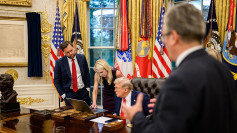
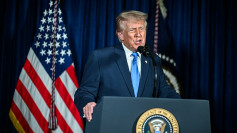
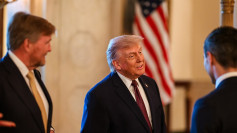
The incident rapidly evolved from a campus matter into a political confrontation. New York City Mayor Zohran Mamdani said he raised the detention during a previously scheduled meeting with President Donald Trump and publicly urged that Aghayeva be released. According to Mamdani, the president agreed to her immediate release, and she was freed from custody hours after her arrest.
Aghayeva later posted that she was "safe and okay" and returning home.
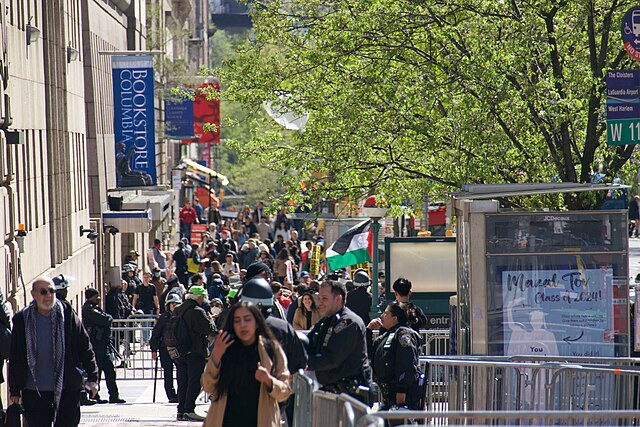
On Columbia's campus, demonstrations formed by Thursday afternoon. Students and faculty called for stronger institutional protections for international students and criticized what they described as aggressive federal tactics. Chants and placards framed the episode as part of a broader immigration crackdown ahead of the 2026 election cycle.
The case has intensified debate over immigration enforcement boundaries, particularly the authority of federal agents to operate inside university housing. Legal experts note that consent from a roommate or property manager can, under certain circumstances, satisfy Fourth Amendment requirements, though disputes often hinge on whether consent was informed and voluntary.