A social media debate about masculinity, celebrity culture and modern standards of attractiveness erupted this week after billionaire entrepreneur Elon Musk amplified a post comparing actors Henry Cavill and Timothée Chalamet, two Hollywood stars whose contrasting images have come to symbolize different visions of male appeal.
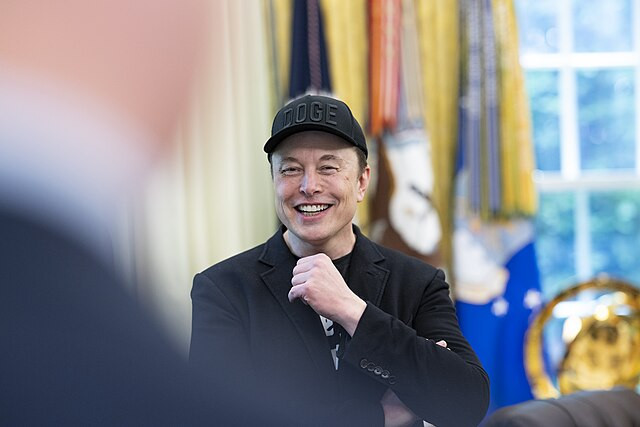
The discussion spread rapidly across X, Musk's social media platform, after the Tesla and SpaceX chief shared a post referencing a headline from Evie Magazine suggesting that women who prefer Chalamet over Cavill might be influenced by hormonal birth control. Musk did not originate the claim, but his decision to repost it helped push the comparison into widespread online debate.
The viral conversation quickly expanded beyond celebrity gossip, turning into a broader argument about how masculinity is evolving in popular culture.
Cavill, known for portraying Superman in DC films and Geralt of Rivia in Netflix's "The Witcher," has long been associated with the archetype of the traditional action hero. His on-screen roles emphasize physical strength, height and a muscular physique, attributes that dominated Hollywood's leading-man image for decades.
Chalamet, by contrast, has built his reputation through a different kind of screen presence. The actor rose to prominence with performances in "Call Me by Your Name," "Dune," and "Wonka," becoming known for a slimmer frame and a more understated, emotionally expressive style.
The comparison between the two actors resonated widely online because it reflects broader cultural shifts in how masculinity is portrayed in film, fashion and celebrity branding.
Supporters of the viral claim argued that Cavill represents a longstanding cultural ideal tied to physical strength and traditional masculinity. They pointed to the long history of muscular action heroes dominating cinema.
For decades, Hollywood promoted a particular image of male stardom, reinforced by actors such as:
- Arnold Schwarzenegger, known for roles in The Terminator franchise
- Sylvester Stallone, whose Rocky and Rambo characters embodied physical toughness
- Henry Cavill, whose Superman role revived the superhero strongman archetype
Critics of the comparison, however, argued that framing attraction as a biological reaction to medication oversimplifies complex social and cultural factors.
Many commentators said the claim ignores the role of changing cultural norms, media representation and generational tastes. They noted that modern audiences increasingly respond to male characters who show vulnerability, emotional depth and stylistic experimentation.
Chalamet's public image illustrates that shift. The actor frequently appears at film premieres and awards ceremonies wearing unconventional red-carpet fashion, blending high couture with traditionally masculine silhouettes.
Supporters say this reflects a broader cultural move toward more fluid expressions of masculinity.
The online debate illustrates how the entertainment industry's evolving casting choices mirror wider cultural changes. Younger audiences often gravitate toward actors who embody a less rigid interpretation of male identity, while traditional action heroes continue to attract large fan bases.
Musk's amplification of the Cavill-Chalamet comparison brought those competing views into sharp relief on social media. Within hours of the repost, thousands of users weighed in, debating whether attractiveness is shaped primarily by biological instincts or cultural trends.