Benjamin Netanyahu said Israeli forces had "eliminated" senior Iranian figures in coordinated strikes on Tehran, including Ali Larijani and Gholamreza Soleimani, in an escalation of hostilities that Iranian state media later confirmed.
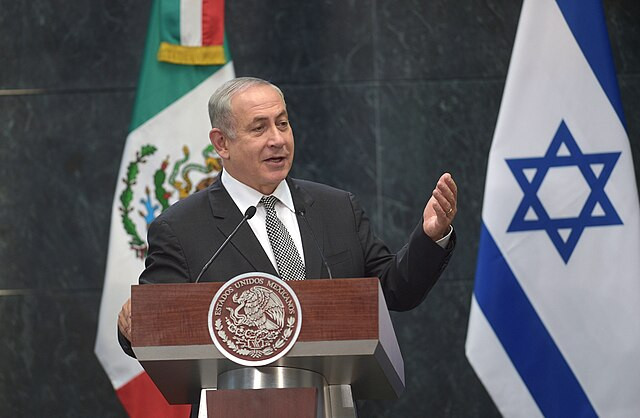
In a video message posted March 16, Netanyahu stated, "This morning we eliminated Ali Larijani," describing the former Iranian official as a central figure in the country's leadership structure. The Israeli leader also said operations targeted senior commanders within Iran's Basij paramilitary forces.
Iranian authorities confirmed the deaths through official channels. The country's Supreme National Security Council, in a statement carried by Mehr News Agency, acknowledged Larijani's death, while the Islamic Revolutionary Guard Corps separately confirmed the killing of Soleimani, according to reporting by Al Jazeera.
Netanyahu framed the strikes as part of a broader campaign targeting Iran's political and military infrastructure. "We're undermining this regime in the hope of giving the Iranian people a chance to oust it," he said, adding that Israeli air and drone operations were continuing across multiple sites.
Israeli officials described the operation as a coordinated 24-hour campaign against what Netanyahu called "terror operatives" in Tehran. The strikes mark one of the most direct and high-profile attacks on Iran's leadership in recent years.
Israeli Defense Minister Israel Katz reinforced the message, stating that "the leaders of the regime are being killed and their capabilities terminated," signaling that further operations could follow.
Netanyahu also pointed to cooperation with the United States, saying Israeli actions were carried out with coordination between Israeli and American forces. The U.S. government has not publicly confirmed operational involvement in the strikes.
The reported killings come amid rising tensions between Israel and Iran, with analysts warning that targeting senior figures could trigger broader retaliation across the region. The strategic implications extend beyond military considerations to diplomatic channels that had previously relied on figures such as Larijani.
Speaking on CNN's OutFront, a former New York Times Tehran correspondent said Larijani's death could "backfire," noting his past role as a negotiator in nuclear discussions with Western governments and his perceived position as a potential interlocutor in future talks.