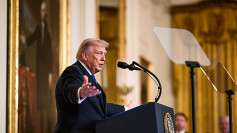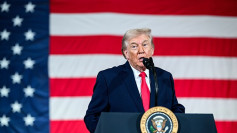
The White House moved Monday to contain speculation over possible U.S.-Iran diplomacy after President Donald Trump said there had been "very good and productive" discussions, a claim Tehran sharply rejected as "fake news," opening a new gap between Washington's public messaging and Iran's account of events.
The dispute over whether any talks are taking place has become a story in itself, underscoring how fragile the diplomatic track remains even as both sides face pressure to avoid a broader escalation. Trump's remarks suggested momentum. The White House, by contrast, quickly shifted to a more guarded posture, stressing that no formal senior-level meeting had been confirmed.
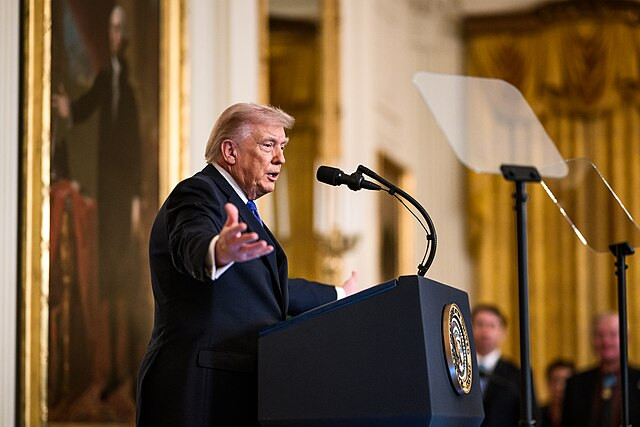
Press Secretary Karoline Leavitt framed the matter as unsettled and warned against reading too much into reports about potential talks. As BBC News reported in the input article, Leavitt said: "These are sensitive diplomatic discussions and the US will not negotiate through the press." She added: "This is a fluid situation, and speculation about meetings should not be deemed as final until they are formally announced by the White House."
That formulation left room for quiet contacts while stopping well short of validating Trump's suggestion that meaningful progress had already been made. The same input article said the comments came after speculation that Vice President JD Vance could represent the U.S. in possible talks in Pakistan, though officials have not confirmed such a plan.
Iran's response was far less calibrated. According to Al Jazeera, as cited in the input, Iranian Parliament Speaker Mohammad Bagher Ghalibaf used X to dismiss Trump's characterization outright, calling it "fake news." He also said that "no negotiations have been held with the US."
The denial tracked with comments from Foreign Ministry spokesperson Esmaeil Baghaei, who, according to the input article, said there had been no discussions between Tehran and Washington. Baghaei told IRNA that Iran had instead received messages "from some friendly countries" relaying Washington's request for "negotiations to end the war."
Those competing narratives have widened uncertainty around whether informal contacts may be happening through intermediaries, or whether public claims are being used to shape markets and political expectations. The input article says Iranian officials believe Trump's rhetoric was designed in part to calm oil and financial markets rattled by the conflict.
For Washington, the careful wording suggests a parallel concern: that premature public optimism could complicate any exploratory diplomacy before it takes form. In conflicts like this, process often matters as much as substance, and loose public claims can harden positions rather than soften them.
U.S. allies have been urging restraint behind the scenes. According to Bloomberg, Trump recently backed away from a threat to destroy Iran's power infrastructure after warnings from Gulf countries and other partners that such a move could tip Iran toward long-term instability and regional spillover.