The White House is set to begin releasing a first tranche of long-awaited "alien files" on Friday, according to Republican lawmakers involved in a federal declassification effort that has pulled the Pentagon, FBI and Congress deeper into the politically charged debate over unidentified flying objects and extraterrestrial life.
The initial release, described by supporters as an early step toward broader UFO transparency, follows years of mounting pressure from lawmakers, former intelligence officials and online disclosure advocates who argue the U.S. government has withheld information about unexplained aerial phenomena for decades.
Tim Burchett, a Republican member of the House Oversight Committee's Task Force on the Declassification of Federal Secrets, told the New York Post that the first batch of records would be published Friday after discussions at the White House involving federal agencies.
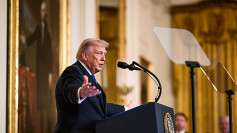
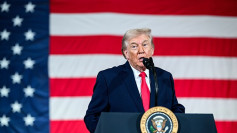
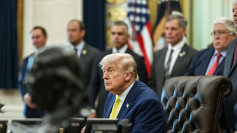
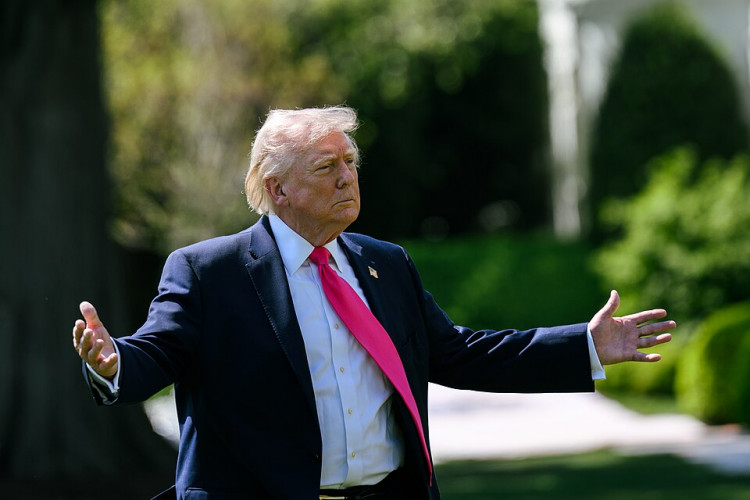
The push accelerated earlier this year after Donald Trump directed government agencies to identify and prepare files related to UFOs and extraterrestrial claims for potential public release.
That order came amid growing mainstream attention surrounding unidentified aerial phenomena, fueled by congressional hearings, military pilot testimony and comments from former officials, including Barack Obama.
Appearing on a podcast hosted by Brian Tyler Cohen earlier this year, Obama remarked: "they [aliens] are real, but I haven't seen them and they're not being kept in Area 51." While widely interpreted as partly humorous, the statement intensified speculation among UFO disclosure activists already convinced the government possesses undisclosed evidence.
According to Burchett, the first release will primarily contain accounts from military aviators who reported encounters with unexplained craft during active duty operations. One video is also expected to be included, though lawmakers have not disclosed whether the footage contains previously unseen material.
The limited scope of the release has already frustrated some transparency advocates. The New York Post reported that 46 additional UFO-related videos requested by Congress remain classified by the Defense Department, underscoring continued resistance inside parts of the national security apparatus.
Kash Patel said this week during an appearance on Hannity that the FBI had transferred its first collection of UFO-related files to an interagency committee chaired by Defense Secretary Pete Hegseth.
Patel stopped short of endorsing some of the more sensational claims surrounding the phenomenon, including allegations involving recovered alien craft or bodies.
The modern disclosure movement has increasingly centered on former intelligence officials such as David Grusch, who previously alleged that the government possesses non-human technology. Speaking recently with interviewer Chris Farrell, Grusch predicted disclosure could soon reach a "tipping point" within "60 to 90 days."
Grusch said there is "a lot of pressure to get the substantive empirical holdings that I've talked about - not videos or anything like that - out in the ether."
As the federal government edges closer toward wider disclosure, the issue has also begun spilling into religious circles across the United States.
Several American pastors told the Daily Mail they had been approached by intelligence officials and encouraged to help prepare congregations for potential social or theological fallout tied to future revelations about extraterrestrial life.
Perry Stone warned that some Christians could struggle to reconcile traditional biblical teachings with the possibility of intelligent life elsewhere in the universe.
"You're going to have people who are going to say if there are galaxies and there are allegedly other creations in the galaxies, then the whole creation story is a myth, and you're going to have people that's going to apostatise and turn from the Christian faith because they have no answer for what they're about to hear," Stone said.
Another pastor, Alan DiDio, argued that any official alien narrative should itself be viewed skeptically, suggesting the disclosure movement could become a broader cultural challenge to Christianity.