Donald Trump faced a new wave of criticism after acknowledging he shared an artificial intelligence-generated image that many interpreted as depicting him in a Christ-like role, an episode that has intensified scrutiny over political use of religious imagery and synthetic media.
The image, which circulated briefly on social media before being removed, showed Trump in white robes with a red cloak, surrounded by symbolic elements commonly associated with traditional depictions of Jesus. The post drew swift backlash from religious commentators, political critics, and even some supporters, who questioned both the intent and appropriateness of the imagery.
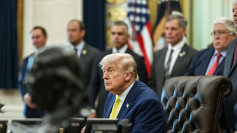
Speaking outside the Oval Office, Trump confirmed his role in sharing the image but rejected claims it portrayed him as a religious figure. "I did post it, and I thought it was me as a doctor, and had to do with the Red Cross, as a Red Cross worker there, which we support," Trump said. He added that interpretations suggesting otherwise reflected a "wrong narrative" driven by media coverage.
The explanation did little to quell criticism. Observers pointed to the visual composition-including lighting, attire, and symbolic gestures-as closely aligned with established iconography of Christ. The ambiguity surrounding the image has fueled debate over whether such portrayals represent political messaging or a miscalculation in digital communication strategy.
Aaron Parnas, who shared video of Trump's remarks, noted that confusion extended beyond critics. Some supporters also questioned the imagery, suggesting that its religious undertones were difficult to reconcile with the president's explanation.
Public reaction across social media platforms was immediate and polarized. One user described the image as "absolutely disgusting and 100% blasphemy," reflecting a broader concern among religious groups that sacred symbolism was being appropriated for political purposes. Others defended Trump, arguing that he "never claimed to be Jesus or God" and that the interpretation had been overstated.
The controversy also underscores a broader issue confronting political campaigns: the rapid proliferation of AI-generated content and the challenge of controlling its interpretation. Synthetic images, often blending symbolic and literal elements, can quickly blur lines between satire, messaging, and misinformation.
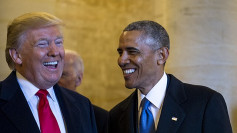
This is not the first time Trump's social media activity has triggered controversy. A previous post involving altered imagery of Barack Obama and Michelle Obama prompted accusations of racism and led to widespread condemnation. At the time, White House officials attributed the post to a staff member, a claim that faced skepticism.