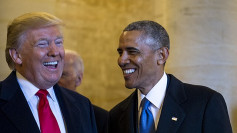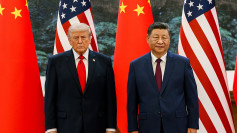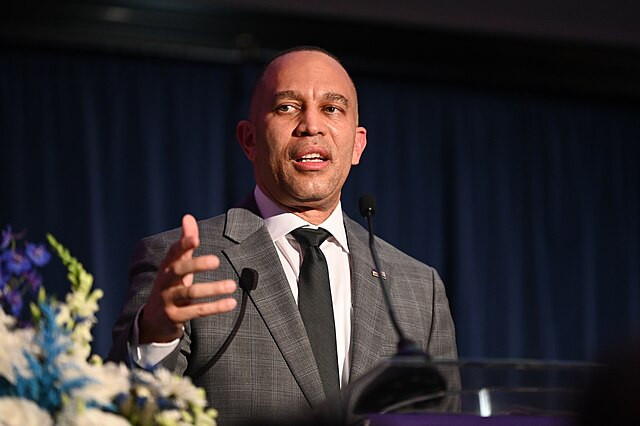
President Donald Trump's planned appearance at Game 3 of the NBA Finals has ignited a political dispute far beyond the basketball court, with House Minority Leader Hakeem Jeffries accusing the president of inserting himself into a historic moment for New York sports as the New York Knicks pursue their first NBA championship in more than five decades.
The clash comes as the Knicks hold a 1-0 lead over the San Antonio Spurs in their first NBA Finals appearance since 1999. Trump's decision to attend Monday night's game at Madison Square Garden has drawn national attention, not only because of the political backdrop but also because NBA Commissioner Adam Silver said it would mark the first time a sitting U.S. president attends an NBA Finals game.
Speaking on CNN's News Central with John Berman, Jeffries made clear he was not enthusiastic about the president's attendance. The Brooklyn Democrat framed Trump's visit as an unnecessary distraction from what many New Yorkers view as a once-in-a-generation sports moment.
"I'm not sure it's going to be a good reception for him," Jeffries said. He then added: "Why does Donald Trump always have to ruin a good thing? Like literally, the Knicks haven't been in the NBA Finals for 27 years. The city is trying to celebrate this. We've embraced this team, and this guy has to inject himself."
Jeffries continued his criticism by linking the issue to broader dissatisfaction with the administration.
"I mean, come on, seriously, give us a break," Jeffries said. "Why doesn't this guy just focus on trying to improve the quality of life of the American people? Because the Trump economy has been a disaster."
The remarks highlight how the Knicks' playoff run has become intertwined with politics in a city where Trump remains a deeply polarizing figure. While the president maintains strong support nationally among Republican voters, New York City has consistently voted heavily Democratic and has often been a challenging political environment for him.
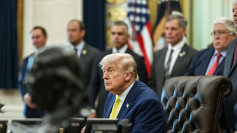
Trump, however, has presented the visit as a celebration of his hometown team's success rather than a political statement. Speaking from the Oval Office, the president confirmed he accepted an invitation from Knicks owner James Dolan, a longtime supporter and political donor.
"The answer is yes. He's invited me, and I'm going. I'll be there. It could be Monday. Maybe I'll do both," Trump told reporters, suggesting he may also attend Game 4 later in the series.
The White House subsequently added the appearance to the president's official schedule, signaling that the visit is expected to proceed despite the political criticism.
NBA Commissioner Adam Silver welcomed Trump's attendance, emphasizing the president's longstanding ties to New York basketball. Silver recalled seeing Trump at numerous games during his years as a New York real estate developer and public figure.
"President Trump is very much a New Yorker. I'm thrilled another New Yorker wants to participate in the enthusiasm and the joy around this Knicks team," Silver said.
Trump's connection to the franchise stretches back decades. He attended Game 3 of the 1994 NBA Finals at Madison Square Garden when the Knicks faced the Houston Rockets and has frequently appeared courtside at major sporting events throughout his public life.
The president also praised the current Knicks roster, particularly their efforts against Spurs star Victor Wembanyama.
"He's 7-foot-5 and he's got a great shot. But they find a way to do it. They're really great," Trump said.
For Knicks fans, the stakes extend far beyond politics. The franchise is seeking its first NBA championship since 1973 and is making only its second Finals appearance in the past 27 years. That long drought has transformed the series into a defining moment for a fan base that has endured decades of disappointment.
Jeffries acknowledged that he will not attend the game because Congress remains in session, saying he plans to watch from Washington with friends and colleagues. His comments nevertheless underscored a broader debate over whether a major sporting event should remain separate from politics or whether public figures inevitably become part of the spectacle.