President Donald Trump defended the sharpest rise in U.S. inflation in three years on Wednesday, arguing that higher prices are a temporary consequence of his administration's military campaign against Iran and insisting that Americans will ultimately benefit once the conflict ends.
The remarks came after the U.S. Labor Department reported that consumer prices rose 4.2% in May from a year earlier, marking the first time inflation has exceeded 4% since 2023. The increase has intensified scrutiny of the White House's economic message as households continue to face elevated costs for fuel and other necessities.
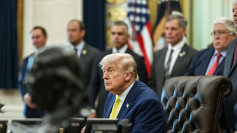
Speaking to reporters in the Oval Office, Trump dismissed concerns that the inflation report represented a setback for his administration.
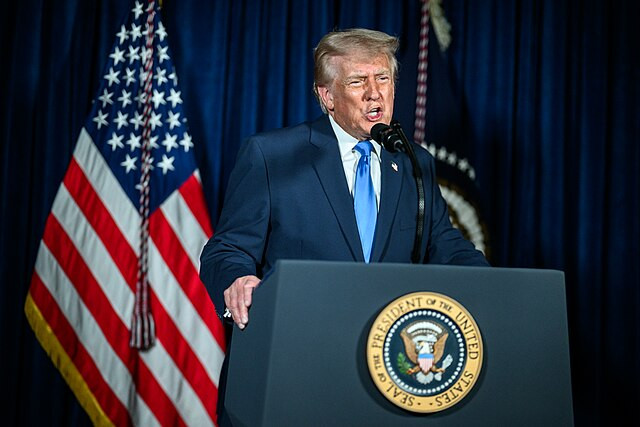
"No, I love it. The numbers were great," Trump said. "You know what I really love? I love the inflation. You know why?"
The president argued that the latest price pressures are tied directly to the war with Iran, which began in late February and has disrupted energy markets across the Middle East. According to administration estimates cited during the briefing, gasoline prices have climbed roughly 40% since the conflict began, reflecting concerns about supply disruptions and tensions surrounding the Strait of Hormuz.
Trump maintained that those increases would prove temporary.
"When the war's over, it's coming down. It's going to come down like a rock," he said.
The president also made a series of claims about U.S. efforts to stabilize oil supplies during the conflict. Trump told reporters that the United States had quietly been moving significant volumes of oil through the Strait of Hormuz, a strategically vital shipping corridor through which a substantial portion of global crude exports pass.
"Do you know we've been taking out millions of barrels of oil? Nobody knows it. You know who doesn't know? Iran until right now," Trump said.
No independent confirmation of those operations has been released by the Pentagon, the Department of Energy or other federal agencies. Administration officials have not publicly provided details supporting the president's description of the effort.
The inflation debate has become increasingly intertwined with Trump's national security agenda. In recent weeks, the president has repeatedly framed economic pain as an unavoidable cost of confronting Iran and preventing Tehran from advancing its military capabilities.
That argument surfaced again during an exchange with reporters last month when Trump was questioned about rising consumer prices. Rather than focusing on economic indicators, the president shifted the discussion toward Iran's nuclear ambitions.
"[My policies] have been working incredibly," Trump said before adding, "If you want them to have a nuclear weapon, then you're a stupid person... I mean, I know you very well."
The administration's broader messaging has emphasized energy production and long-term economic strength. White House Press Secretary Karoline Leavitt previously defended the administration's handling of fuel costs, telling reporters, "Thank goodness we have a president in an administration that believes in American energy dominance in bringing down prices at the pump."
Leavitt also argued that consumers were experiencing a "stark contrast" compared with the previous administration, pointing to periods when fuel costs had declined during Trump's presidency.