A draft U.S.-Iran agreement aimed at halting months of conflict is facing fresh uncertainty after Iranian state media and government officials signaled that key issues-including control of the Strait of Hormuz and uranium enrichment-remain unresolved despite President Donald Trump's claims that a deal is nearing completion.
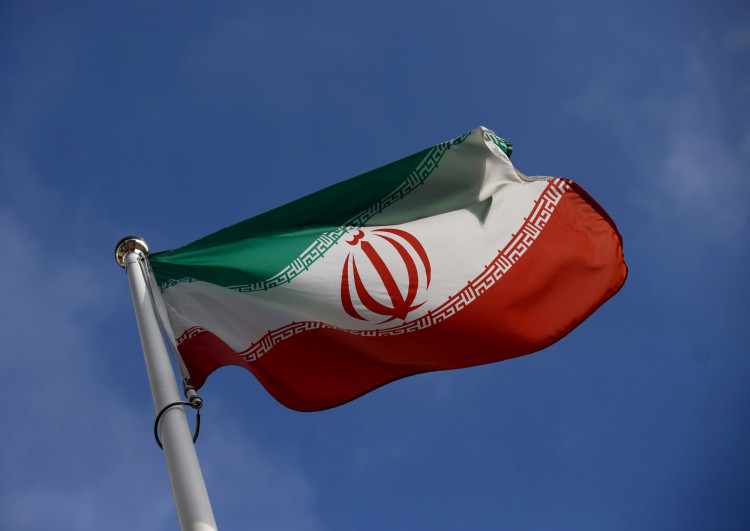
The latest disagreement emerged Friday when Iran's state news agency IRNA reported that the proposed framework under discussion does not require Tehran to relinquish authority over the strategically vital Strait of Hormuz, one of the world's most important energy shipping routes. The report highlighted differences between public statements from Washington and the more cautious messaging coming from Tehran.
"Iran makes no commitment in this text to cede the management of the strait or the restoration of conditions that existed prior to the American and Israeli military aggression," IRNA stated.
The Strait of Hormuz has become a central issue in post-war negotiations. Iranian officials have sought greater oversight of shipping through the waterway and have proposed transit fees as part of broader efforts to recover damages incurred during the conflict. Any change to the management of the route would carry significant implications for global oil markets, given that a substantial portion of the world's energy exports passes through the narrow channel.
The disagreement surfaced less than a day after Trump announced that planned U.S. military operations had been suspended because negotiations had reached an advanced stage.
"Based on the fact that discussions with the Islamic Republic of Iran have been brought to the highest level of Iranian leadership and approved, I have, as President of the United States of America, cancelled the scheduled strikes and bombings against Iran this evening," Trump wrote in a social media post.
The president added that negotiations had advanced substantially, saying: "Discussions and final points have been, in both concept and great detail, approved by all parties involved."
Trump also indicated that a formal signing ceremony could be announced soon and said a naval blockade would remain in place until a final transaction is completed.
Yet officials in Tehran offered a more restrained assessment. Iran's Foreign Ministry said Friday that no agreement had been signed, underscoring that negotiations remain ongoing despite reports of progress. The statement suggested that substantial details are still being debated before any formal commitment can be finalized.
One of the most sensitive issues remains Iran's nuclear program. According to IRNA, Tehran intends to preserve what it considers its sovereign right to enrich uranium and maintain control over its existing stockpile of enriched material.
"Issues such as Iran's right to enrich uranium and the retention of enriched material by the Islamic Republic of Iran will be emphasized with a view to their inclusion in the final agreement," the news agency reported.
The dispute highlights the challenge facing negotiators as they attempt to separate immediate ceasefire arrangements from longer-term nuclear discussions. Under the framework described by officials familiar with the talks, a memorandum of understanding would first extend a ceasefire for 60 days, creating space for broader negotiations over Iran's nuclear activities.
According to sources cited by Axios, senior Iranian officials have endorsed the proposed framework, although final approval has not yet been secured from Supreme Leader Mojtaba Khamenei. The same sources indicated that discussions continue over both political and technical provisions.
The emerging structure would create a two-stage process:
- An immediate memorandum extending the ceasefire for 60 days.
- Follow-on negotiations addressing Iran's nuclear program.
- Continued discussions involving regional stakeholders including Israel, Saudi Arabia, the United Arab Emirates, Qatar, Turkey, Pakistan, Bahrain, Kuwait, Jordan and Egypt.