The United States and Iran are moving closer to a formal agreement aimed at ending months of conflict, with negotiators targeting a signing ceremony in Geneva as early as Sunday, according to Reuters. Yet even as diplomatic momentum builds, key disputes over Iran's nuclear program, the Strait of Hormuz, and regional security remain unresolved.
Citing a source familiar with the negotiations, Reuters reported that the language of a memorandum of understanding is still being finalized. The proposed agreement would extend an existing ceasefire for 60 days and establish a framework for future negotiations over Iran's nuclear activities.
The accord could be signed by U.S. Vice President JD Vance and Iranian Parliament Speaker Mohammed Baqer Qalibaf, according to Reuters. Negotiators are reportedly working to complete the text by Saturday to allow for a formal signing in Switzerland the following day.
Despite the progress, Tehran has publicly signaled that several of its core demands remain unchanged. Iran's state news agency IRNA reported Friday that any agreement would preserve the country's position on both uranium enrichment and control of the strategically vital Strait of Hormuz.
"Iran makes no commitment in this text to cede the management of the strait or the restoration of conditions that existed prior to the American and Israeli military aggression," IRNA reported.
The Strait of Hormuz has emerged as one of the most sensitive issues in the negotiations. Iranian officials have proposed charging transit fees for vessels using the waterway as part of broader efforts to recover economic losses sustained during the conflict. The narrow passage remains one of the world's most important energy corridors, carrying a significant portion of global oil exports.
Iran has also rejected suggestions that it would abandon domestic uranium enrichment capabilities as part of a future nuclear agreement.
"Issues such as Iran's right to enrich uranium and the retention of enriched material by the Islamic Republic of Iran will be emphasized with a view to their inclusion in the final agreement," IRNA stated.
The memorandum under discussion is expected to focus primarily on ending hostilities rather than settling long-term nuclear disputes. According to Axios, two sources familiar with the talks said the framework has already been approved by senior Iranian officials but is still awaiting approval from Supreme Leader Mojtaba Khamenei.
One remaining obstacle involves Lebanon. Reuters reported that Iran wants the ceasefire arrangement to include an end to fighting involving Hezbollah, Tehran's longtime ally, and Israeli military operations in Lebanon.
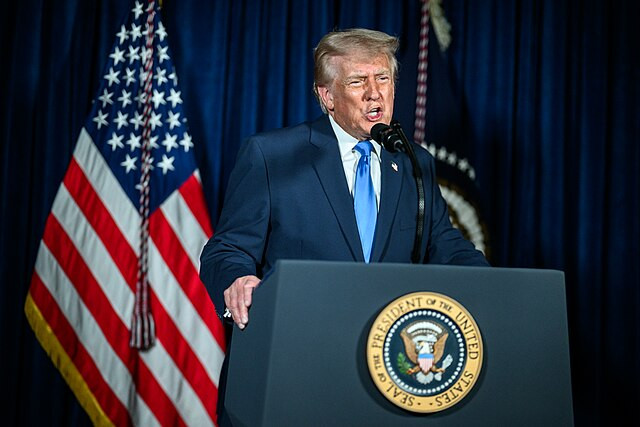
The diplomatic push comes as President Donald Trump has projected confidence that a breakthrough is near. Trump said this week that planned U.S. military strikes had been canceled because negotiations had advanced significantly and an agreement could be finalized within days.
Meanwhile, Israeli Prime Minister Benjamin Netanyahu has reiterated that Israel's position on Iran's nuclear ambitions remains unchanged regardless of any ceasefire arrangement.
In a social media statement, Netanyahu said he and Trump are in "complete agreement" regarding the need to prevent Iran from obtaining nuclear weapons. He added that Israel's campaign against Tehran's nuclear program remains essential to its national security.
"Without this struggle, Iran would have long ago obtained nuclear bombs to destroy Israel," Netanyahu said. "Iran is working to destroy the Jewish state, and I have dedicated my life to preventing them from doing so."