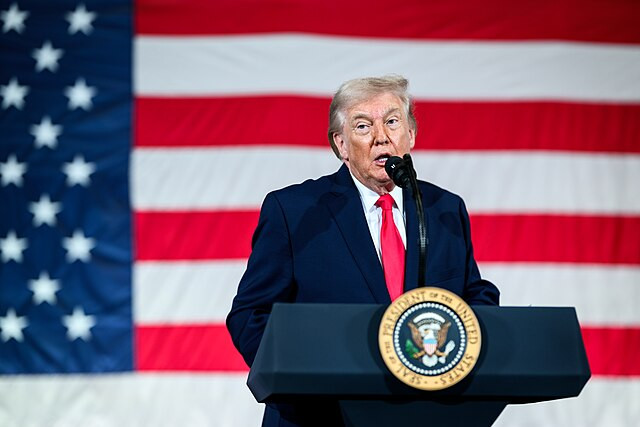
President Donald Trump is facing growing signs of political weakness among some of the voters who helped power his return to the White House, with a new Reuters-reported survey showing his approval rating among rural Americans has fallen to its lowest level since taking office.
The poll found that 50% of rural Americans approve of Trump's job performance, down 10 percentage points from February 2025, shortly after he began his second term. At the same time, disapproval among rural voters climbed to 48%, representing a 14-point increase over the same period.
The shift is drawing attention because rural voters have been among Trump's most reliable supporters throughout his political career. Political analysts have long viewed rural America as a cornerstone of the president's electoral coalition, making any meaningful decline in support particularly noteworthy ahead of this year's midterm elections.
The Reuters report cited a survey of 4,531 U.S. adults nationwide. The poll carries a margin of error of three percentage points.
The rural findings come as Trump's broader national standing also remains under pressure. According to the survey, his overall approval rating stood at 35%, the lowest level recorded during his political career.
Separate analysis conducted by the AP-NORC Center for Public Affairs Research points to an even broader erosion of support among key voting blocs that helped fuel Trump's victory.
Researchers reviewed 21 waves of polling conducted between July 2024 and April 2026 and found significant declines among independent voters. Support among independents has fallen by 17 percentage points since before Trump returned to office.
The trend appears especially pronounced among voters without college degrees, a demographic that has historically leaned toward Trump.
According to the AP-NORC analysis:
- Nearly half of non-college-educated independents viewed Trump favorably around Election Day.
- By spring 2026, that figure had dropped to roughly one-quarter.
- Republican support remained relatively stable near 75%.
- Democratic support remained near 5%.
The data suggest the president's challenges are being driven less by defections within his party and more by weakening support among swing voters and independents.
Researchers also identified growing dissatisfaction among Hispanic independents and younger voters. Favorability among Hispanic independents declined from approximately 46% around the 2024 election to 25% or lower in more recent surveys, according to the analysis.