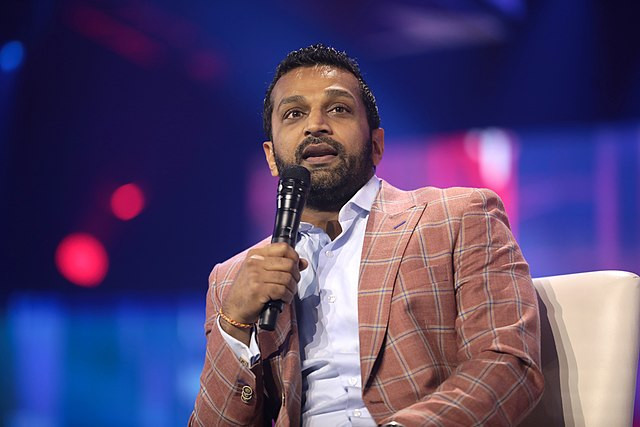
FBI Director Kash Patel is facing renewed criticism over his handling of high-profile investigations after a dispute emerged between federal agencies regarding the public disclosure of an alleged terror plot targeting a White House UFC event.
The controversy has revived earlier concerns surrounding Patel's communication strategy and raised broader questions about how senior law enforcement officials should balance transparency with operational secrecy during active investigations.
The latest dispute centers on Patel's announcement that federal authorities had disrupted an alleged attack planned against Sunday's White House UFC event. In a social media post, Patel said the FBI uncovered the threat on June 10 and conducted a multi-state operation that resulted in several arrests.
Patel wrote that the FBI and its law-enforcement partners had identified the threat and that "multiple individuals are now in custody and allegedly planned attacks were stopped cold."
The announcement was welcomed by supporters who argued that the public deserved to know about a potentially serious threat that had been prevented. However, officials involved in the investigation questioned whether the disclosure came too early.
One administration source told MS NOW, "We all woke up this morning to see this on Twitter."
According to officials familiar with the case, investigators were still working through aspects of the alleged plot when Patel made the announcement. Authorities were reportedly examining communications tied to a broader network while pursuing additional investigative leads.
The Secret Service publicly defended its decision not to release information earlier, arguing that operational considerations required greater caution. Deputy Director Matt Quinn responded sharply to the controversy, stating, "Don't choke on your own smoke," while emphasizing that the Secret Service had led the investigation from its earliest stages.
Officials said suspects allegedly discussed using explosive drones to create panic around the White House before carrying out a secondary attack. Five individuals have reportedly been arrested, though investigators continue reviewing evidence connected to the case.
The dispute has drawn comparisons to criticism Patel faced during the investigation into the killing of conservative commentator Charlie Kirk. Reuters previously reported that Patel came under scrutiny after publicly announcing that a suspect had been captured before local authorities formally confirmed the development, creating confusion about the status of the investigation.
For critics, the two incidents illustrate a pattern in which public messaging appears to move ahead of coordination with partner agencies. Some former officials and observers argue that such announcements risk complicating investigations by drawing attention to sensitive operations before all investigative steps have been completed.
Supporters of Patel reject that characterization. They contend that federal law enforcement agencies have often been criticized for excessive secrecy and argue that Patel's approach reflects a commitment to informing the public more quickly about significant threats and criminal investigations.