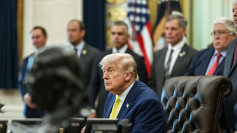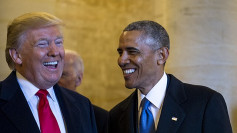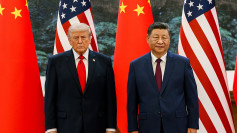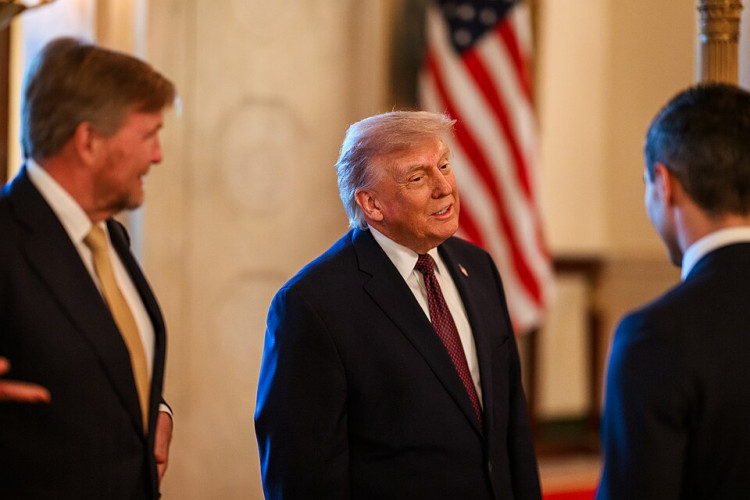
President Donald Trump's performance at the recent G7 summit in Evian-les-Bains, France, has reignited a long-running debate over his health and leadership after his niece, psychologist and author Mary Trump, publicly argued that the 80-year-old president is experiencing a visible decline. Her remarks, published in a conversation with journalist Steven Beschloss, drew an immediate and forceful response from the White House, underscoring how questions about Trump's physical and mental condition have become an increasingly contentious political issue.
The controversy emerged following a summit intended to showcase Trump's foreign policy credentials as his administration pursued negotiations aimed at easing tensions with Iran. Instead, reports from the gathering focused on a series of awkward moments involving the president, including claims that he arrived late to a meeting with world leaders and remarks that drew attention away from the diplomatic agenda.
Mary Trump, who has been one of the president's most outspoken family critics, said the events fit a broader pattern she believes has become increasingly difficult to ignore.
"I think this is simply the direction things are heading," she told Beschloss. "He may still have moments when he appears more coherent, but psychically he's in a downward spiral. He's experiencing constant narcissistic injuries, and nothing terrifies Donald more than humiliation."
She argued that the greatest political damage facing the president comes not from opponents but from his own public conduct.
"The problem for him is that nobody humiliates Donald more effectively than Donald humiliates himself," Mary Trump said.
Her assessment arrives as Trump faces mounting pressure over developments in the Middle East. During the summit, the president promoted efforts to secure a framework for reducing tensions with Iran, while also confronting ongoing instability involving Lebanon and the Strait of Hormuz. The diplomatic challenges unfolded under intense international scrutiny, increasing attention on the president's public appearances and decision-making.
Mary Trump linked those policy battles to what she described as deeper personal struggles.
"Everything he's doing now exists in service of protecting his fragile ego and trying to fill what I've long described as the black hole of need within him," she said. "He's still an empty, unloved man, and maintaining that illusion has become psychologically exhausting."
She added that when those pressures are "combined with his cognitive, emotional, physical, and psychological decline, it's becoming impossible to hide."
The White House rejected those characterizations outright. Responding to inquiries from The Daily Beast, White House Communications Director Steven Cheung launched a personal attack on Mary Trump and dismissed her credibility.
Cheung described her as a "stone-cold loser who doesn't have a clue about anything," adding that "her entire worth as a human being is predicated on spewing lies about President Trump in a sad attempt to stay relevant."
The administration did not release medical records or provide any new health assessment addressing the specific allegations. No official White House health briefing has been tied to the events surrounding the G7 summit.
Questions about presidential health have followed leaders of both major political parties in recent years, and Trump has not been immune. Critics have pointed to reports of confusion, unusual behavior during public appearances, late-night social media activity, and observations about his physical appearance as evidence of possible decline. Supporters counter that such claims are frequently driven by political opponents and often rely on speculation rather than documented medical findings.