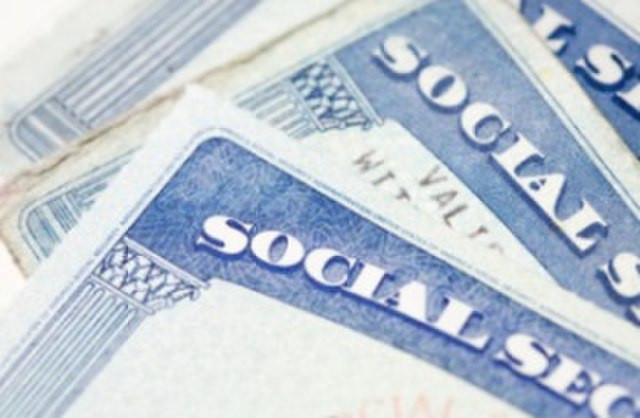
President Donald Trump's signature tax package, the One Big Beautiful Bill Act (OBBBA), is projected to reduce Social Security revenue by $168.6 billion over the next decade and accelerate the program's funding crisis, according to the Social Security Trustees' latest annual report.
The June report found that the Old-Age and Survivors Insurance Trust Fund, which finances retirement benefits for tens of millions of Americans, is now expected to be depleted in 2032. That marks a deterioration from previous projections and raises the prospect that retirees could face automatic benefit reductions if Congress fails to act.
At the center of the debate is a tax change that Trump championed as a benefit for seniors. While the president repeatedly pledged during his campaign to protect Social Security and reduce taxes on retirees, analysts say the legislation has created a trade-off between near-term tax relief and the program's long-term finances.
The law does not eliminate taxes on Social Security benefits outright. Instead, it establishes a temporary $6,000 deduction for seniors through 2028. According to estimates cited in the Trustees report, the change means roughly 88% of Social Security recipients will no longer owe federal taxes on their benefits.
Supporters argue the measure allows retirees to keep more of their income at a time when many are struggling with rising living costs. Critics, however, note that taxes paid on Social Security benefits are one of the program's revenue sources. Reducing those collections leaves less money flowing into the trust fund that supports future payments.
The Trustees report estimates that OBBBA and related tax changes will reduce Social Security revenue by approximately $168.6 billion through 2034. The report also indicates that the law contributed to moving the projected depletion date of the retirement trust fund from 2033 to 2032.
The funding challenge facing Social Security predates Trump's legislation. Trustees have for years warned that demographic changes are placing increasing pressure on the system. Americans are living longer, birth rates have declined, and the ratio of workers paying payroll taxes to retirees collecting benefits continues to shrink.
Under current projections, once the trust fund is exhausted, incoming payroll tax revenue would be sufficient to cover only about 78% of scheduled retirement benefits. That would translate into an automatic reduction of roughly 22% unless lawmakers approve reforms before then.
The report does not suggest that the administration intended to weaken Social Security. Rather, it highlights how tax policy can have unintended consequences for programs that rely on dedicated revenue streams. While the senior deduction provides immediate relief for many retirees, it also reduces funds available to support future obligations.
The Trustees emphasized that long-term projections remain subject to change. Economic growth, wage gains, demographic shifts and future legislation could all alter the timeline. Stronger-than-expected payroll tax collections could improve the outlook, while slower growth or additional revenue reductions could worsen it.