The United States is dispatching rescue teams and humanitarian assistance to Venezuela after two powerful earthquakes devastated parts of the country, as the death toll climbed to at least 164 and emergency crews continued searching collapsed buildings for survivors.
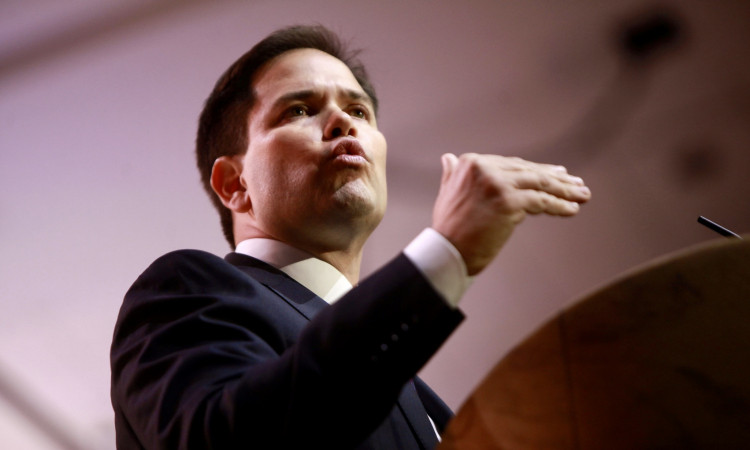
Secretary of State Marco Rubio announced the U.S. response in a social media statement after Venezuela's government declared a national emergency following the twin earthquakes, which rank among the strongest to strike the country in more than a century.
"Our hearts are with all those who have lost loved ones, those injured, and the courageous rescue workers working tirelessly in the aftermath," Rubio said, adding that U.S. rescue personnel and aid are being mobilized.
Venezuela's acting President Delcy Rodríguez said at least 164 people had been killed and nearly 1,000 others injured, warning that the casualty count is expected to rise as rescue operations continue. She described the coastal state of La Guaira as the hardest-hit area, where rescue crews are searching through heavily damaged buildings.
"Dozens of buildings have collapsed and we are engaged in the arduous task of rescuing the lives that God allows us to save. The state of La Guaira is facing a true tragedy and has become a disaster zone," Rodríguez said.
According to the U.S. Geological Survey, the disaster began with a magnitude-7.2 earthquake before a stronger magnitude-7.5 quake struck just 39 seconds later. The agency described the event as an earthquake doublet.
"This earthquake was the second event in a doublet, this magnitude 7.5 mainshock was preceded just 39 seconds before by a 7.2 foreshock," the USGS said.
The first quake struck about 18 miles northwest of Montalbán at a depth of roughly 8.2 miles. The second occurred less than four miles from the initial epicenter, intensifying destruction across northern Venezuela.
The USGS also warned that the disaster could become significantly worse. Based on historical earthquake models, the agency estimated there is a 42% probability the final death toll could exceed 10,000 people, though that projection remains an early statistical estimate rather than a confirmed forecast.
Authorities have expanded emergency operations nationwide. Rodríguez called on healthcare professionals to report immediately to hospitals, while schools are being converted into temporary shelters and donation centers for displaced residents.
Interior Minister Diosdado Cabello urged residents to avoid entering damaged structures because of the risk of additional collapses.
"We understand that some people may be desperate, but we are acting according to protocols to activate aid and rescue efforts to help those who need it most," Cabello said on state television.
"Be very careful with children and the elderly; call each other and check that no one has been harmed."
International assistance is beginning to arrive as neighboring countries also offer support. CBS News reported that the earthquakes are among the strongest to strike Venezuela in more than 100 years, increasing concerns about widespread infrastructure damage and the country's ability to respond without outside assistance.
Opposition leader María Corina Machado, speaking from exile, also expressed solidarity with those affected.
"My heart, my infinite embrace, and my prayers are with every Venezuelan home in these hours of anguish. May strength, serenity, and solidarity prevail among us in the face of this difficult moment," Machado wrote in a social media post.