Iran says it has rapidly expanded crude oil exports and secured significantly higher prices following the ceasefire that ended recent hostilities with the United States, as negotiators from both countries resumed indirect talks in Qatar aimed at preserving the fragile truce and advancing discussions over sanctions, frozen assets and the future of the Strait of Hormuz.
The developments underscore how quickly the focus has shifted from military confrontation to economic recovery and diplomacy. While Iranian officials are touting improved oil sales and access to frozen funds as evidence of successful negotiations, U.S. officials have disputed some of Tehran's claims, illustrating the continuing gaps between the two sides even as diplomatic channels remain open.
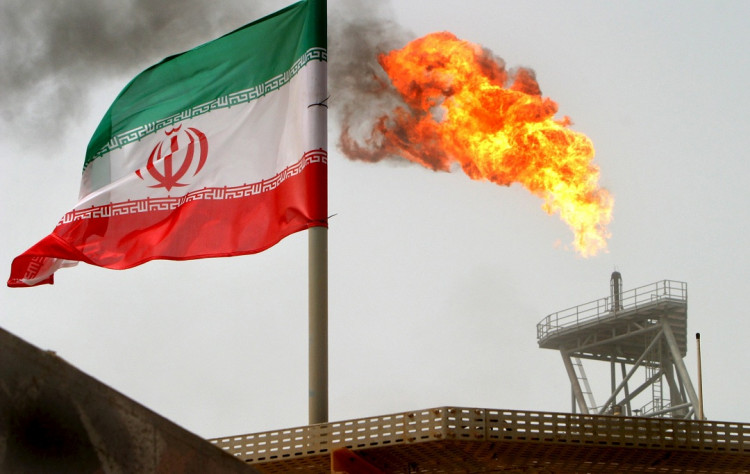
Speaking after the ceasefire, Iranian Parliament Speaker and chief negotiator Mohammad Bagher Ghalibaf said Iran has sold more than 40 million barrels of crude oil since restrictions on its ports were eased following the agreement.
According to Iranian officials, the country's exports are now generating considerably stronger returns because buyers no longer require the steep discounts that previously accompanied purchases of sanctioned Iranian crude. Before the ceasefire, Iran often sold oil at prices between $10 and $15 below Brent crude to compensate purchasers for sanctions-related risks. With Brent crude trading near $72 per barrel on Tuesday, officials said those discounts have largely disappeared, allowing Iran to capture substantially higher revenues.
Independent estimates suggest exports may be even higher.
Tanker-tracking firm TankerTrackers estimated that Iran has exported roughly 10 million more barrels than the figure cited by Ghalibaf. Neither estimate has been independently verified, but both point to a sharp rebound in Iranian oil shipments following the end of active military operations.
The improvement in oil exports coincides with renewed diplomatic engagement between Washington and Tehran.
Indirect negotiations resumed this week in Doha under Qatari mediation, with Pakistani officials also assisting the process. According to CBS News, citing a source familiar with the discussions, U.S. envoys Steve Witkoff and Jared Kushner met Tuesday with Qatari Prime Minister Sheikh Mohammed bin Abdulrahman Al-Thani but are not participating in Wednesday's technical negotiations.
According to Reuters, an Iranian official said the talks have centered on two major issues:
- The future release of Iran's frozen overseas assets.
- Navigation and security arrangements in the Strait of Hormuz.
Iran has also claimed progress on frozen funds held abroad.
President Masoud Pezeshkian announced Monday that Qatar had agreed to release $6 billion belonging to Iran.
"Based on the plans made, $6 billion out of the total $12 billion of Iranian resources in Qatar will be released and returned to the country, and necessary follow-ups are being carried out," Pezeshkian said in remarks published by state-run IRNA. He described the broader agreement with Washington as "a great victory for the Iranian people."
Those claims, however, have been challenged by U.S. officials.
According to The Associated Press, U.S. officials said no frozen Iranian assets have been released, while Qatari authorities have not publicly confirmed that any transfer has taken place. The conflicting accounts highlight the uncertainty surrounding implementation of the ceasefire agreement and the negotiations that continue behind closed doors.
Diplomatic progress has unfolded alongside continued military contingency planning inside the Trump administration.
According to reporting by The Wall Street Journal, President Donald Trump has held multiple discussions with senior national security officials-including Defense Secretary Pete Hegseth and Chairman of the Joint Chiefs of Staff Gen. Dan Caine-regarding the possibility of renewed military action against Iran should the ceasefire collapse.
Officials familiar with those conversations told the newspaper that Trump has, for now, decided to prioritize diplomacy over another broad military campaign. According to the report, the president believes a renewed large-scale strike could complicate ongoing efforts to prevent Iran from advancing its nuclear program, though he remains prepared to authorize limited military action if Tehran commits what Washington considers significant violations of the ceasefire.