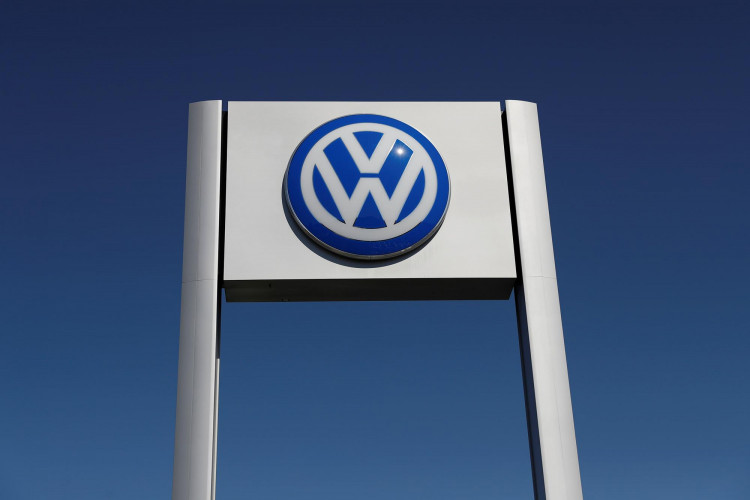
Volkswagen is preparing for potentially tens of thousands of additional job cuts as Chief Executive Oliver Blume warns employees that the German automaker's cost-cutting campaign "is not over," intensifying a restructuring aimed at closing a widening competitiveness gap with lower-cost rivals in Europe and China.
The company is evaluating plans that could ultimately eliminate as many as 100,000 positions, double the number previously discussed, as Europe's largest automaker confronts weakening profitability, higher tariff costs and intensifying pressure from Chinese manufacturers. Volkswagen's controlling shareholders are also pushing management to accelerate the overhaul.
"This journey is not over. Because we not only measure ourselves against our own past performance. We measure ourselves against the best locations in Europe," Blume told workers, according to excerpts of his remarks released by Volkswagen and reported by Reuters.
Blume pointed directly to Volkswagen's German cost structure as one of the biggest obstacles to improving competitiveness. The comparison suggests management is increasingly judging individual factories against lower-cost European operations rather than primarily against Volkswagen's historical performance.
"Labor costs today are more than double those of comparable European locations. And when it comes to factory costs, other plants are still significantly cheaper. This is not a criticism, it is the reality against which we must measure ourselves," Blume said.
The warning comes as Volkswagen's controlling Porsche and Piëch families have publicly thrown their weight behind a broader restructuring. Porsche SE, the holding company through which the families control Volkswagen's largest shareholder position, earlier this month called for faster action.
"The Volkswagen Group is at a historic crossroads," Porsche SE management-board Chairman Hans Dieter Pötsch said in a statement. "The decisions that Volkswagen makes now will determine its future. For the sake of the company and its sustainable competitiveness, everyone must now step up and take responsibility."
Volkswagen said the shareholder's position supports management's existing strategy. A company spokesperson told CNBC that Porsche SE's remarks were consistent with Volkswagen's assessment of the restructuring and reinforced the urgency of implementing the measures already under consideration.
The prospect of as many as 100,000 job reductions demonstrates the scale of the challenge facing a company whose extensive German manufacturing footprint has long been central to its identity. High labor and factory costs have become increasingly difficult to absorb as automakers compete on electric vehicles, software and pricing.
Chinese manufacturers have added another source of pressure, particularly as their electric vehicles challenge established European brands on technology and price. Volkswagen must simultaneously finance its transition toward new technology while attempting to reduce the legacy costs associated with its sprawling manufacturing organization.
Tariffs are adding to those pressures. Higher trade barriers can raise the cost of vehicles and components moving between major markets, further complicating Volkswagen's effort to improve margins while maintaining its global manufacturing and sales footprint.
The company's deteriorating earnings performance has made the timetable more urgent. When Volkswagen released its half-year results on July 24, Blume said management already had a strategy and implementation plan but warned that the company had limited time to execute it.
"What we do not have is time," Blume said. "That is why we have already started work in many areas and are implementing measures from our future plan."