The United States has warned Gulf allies to prepare for a possible military campaign against Iran after next week's midterm elections, The Wall Street Journal reported Wednesday, as stalled diplomacy and disputes over nuclear inspections raise the prospect of renewed large-scale fighting.
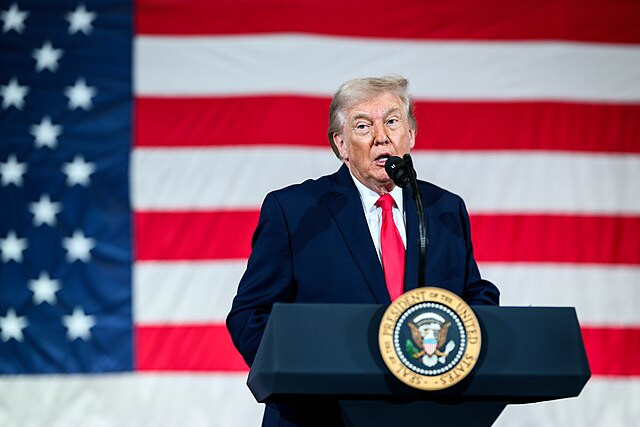
President Donald Trump has not made a final decision but is leaning toward a broad operation, the newspaper reported, citing people briefed on discussions with regional governments. The proposed campaign would be short and intense, with critical infrastructure and nuclear facilities among potential targets.
The warnings, conveyed through diplomatic and military channels, indicate preparations rather than an order to attack. A negotiated settlement remains an alternative, although regional mediation has produced no breakthrough.
Reuters reported Wednesday that Qatar had not presented a new proposal to end hostilities this week. A senior Iranian official said Doha had offered ideas Tehran considered unacceptable and indicated Iran would not soften its position on the nuclear issue.
Washington is meanwhile strengthening its regional defences. Officials told the Journal that a Patriot air-defence system was being moved from Texas to the Middle East to help protect against potential Iranian missile attacks.
American personnel have also been relocated from vulnerable bases, while ammunition stocks have been replenished and bombers and fighter aircraft readied for possible operations, according to the report.
Another aircraft carrier strike group and a Marine Corps expeditionary force are expected next month. They would join roughly 20 American warships already in the region, although some incoming vessels could replace deployed ships rather than expand the force.
The military preparations coincide with renewed scrutiny of Iran's nuclear programme. The International Atomic Energy Agency's Board of Governors referred Iran's nuclear file to the U.N. Security Council for the first time in two decades.
IAEA Director General Rafael Grossi told the council Tuesday that Tehran continued to deny inspectors access to damaged nuclear facilities struck during last year's fighting with Israel and the United States. He said inspections must remain part of any resolution of the outstanding disputes.
Iranian messaging has offered little indication of compromise. Fars, a news agency closely linked to the Islamic Revolutionary Guard Corps, reported that Supreme Leader Mojtaba Khamenei called for faster technological advancement, including in the nuclear field.
Lawmaker Ahmad Naderi separately suggested that Khamenei's position on nuclear weapons might differ from his father's religious prohibition. That assessment was Naderi's interpretation, rather than an announced change in doctrine.
Israeli Prime Minister Benjamin Netanyahu also signalled continued confrontation during an election-night address early Wednesday, as exit polls left his ability to form a governing coalition uncertain.
"We have brought the Iranian regime to the brink of collapse," Netanyahu told supporters. "And yet I tell you, this is still not over."
His rival, Yashar leader Gadi Eisenkot, had earlier urged Netanyahu to resign and warned against using security decisions to influence coalition negotiations. Those remarks preceded overnight revisions to exit polls that changed the projected balance between political blocs.
Addressing senior defence and security officials, Eisenkot urged resistance to political pressure. He then warned Netanyahu: "Do not dare use Israel's security for your political purposes."