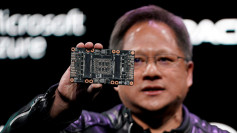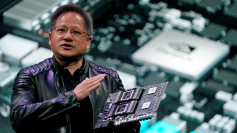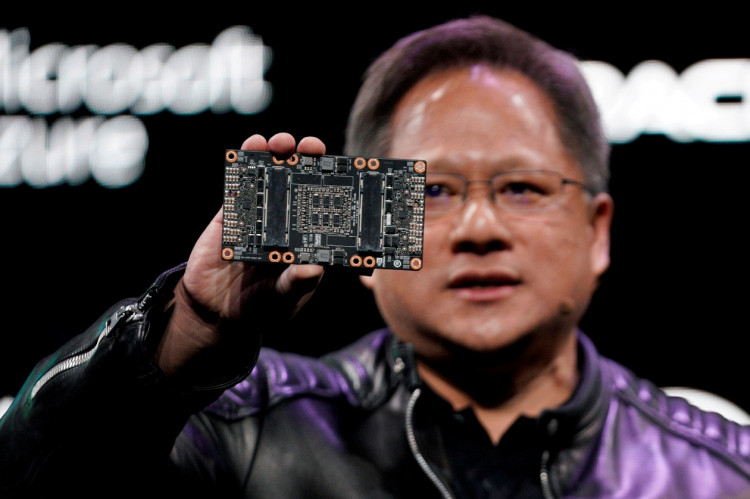
Nvidia reinstated Jensen Huang as president and chief executive Monday, reversing its leadership decision less than two weeks after his resignation amid revelations of extramarital relationships and concerns that he had been targeted by Chinese intelligence.
Shares surged more than 30% following the announcement, reaching a gain of as much as 33%, according to Reuters. Huang's return, effective immediately, restores the co-founder who built Nvidia into the dominant supplier of advanced processors powering the artificial intelligence boom.
The board said its unanimous decision followed discussions with Huang and input from senior U.S. government officials. It said directors were satisfied with his candor and ability to lead, and concluded on the basis of government input that his reinstatement presented no national security risk.
The announcement came hours after President Donald Trump publicly urged Nvidia to bring Huang back. Trump subsequently welcomed the decision and said Attorney General Todd Blanche had confirmed that the government possessed no evidence Huang had engaged in unlawful conduct.
That assurance does not resolve the company's outstanding investigations. Nvidia said its independent board inquiry into reports that Huang was targeted by foreign intelligence would continue, with assistance from outside lawyers.
The reversal followed an unequivocal statement from Chairman Harvey Jones on Nov. 17 that the board did not intend to reinstate Huang. Interim CEO Colette Kress also ruled out his return in an interview that day.
"The Board believes Jensen is the right person to lead NVIDIA," Jones said in Monday's announcement.
Huang returns as a board member as well as chief executive. Jones will remain chairman, while Kress, Nvidia's chief financial officer, will continue in her financial leadership role.
"I am honored to return to NVIDIA," Huang said, thanking employees, shareholders, industry leaders and partners for their support.
His resignation followed reporting by The New York Times about his relationship with a businesswoman whom U.S. intelligence officials reportedly believed was a Chinese intelligence asset. The Financial Times subsequently reported that they had an affair. China has denied the espionage allegation.
In a Nov. 8 employee memo, Huang acknowledged being unfaithful to his wife and apologized to his family. The Times separately reported a relationship with a senior Nvidia executive who reported directly to him.
Prominent investors and technology executives pressed for his reinstatement. Altimeter Capital Management CEO Brad Gerstner and Atreides Management managing partner Gavin Baker urged directors in a letter last week to keep that option open.
Nvidia had begun searching for a successor, reportedly approaching Arm Holdings CEO Rene Haas. Earlier Monday, Haas announced that he would remain at Arm under a contract extension through 2033.
Nvidia is also strengthening its compliance structure. A new National Security and Export Control Committee will oversee trade compliance and security risks, and the company is creating a chief compliance officer position reporting to its governance committee.
Separately, The Wall Street Journal and Reuters have reported a Securities and Exchange Commission investigation involving Nvidia. The Journal said it concerned accounting practices. The SEC declined to comment to NBC News on Friday, and Nvidia did not respond to a request for comment on those reports.