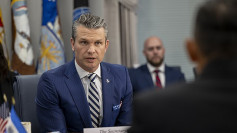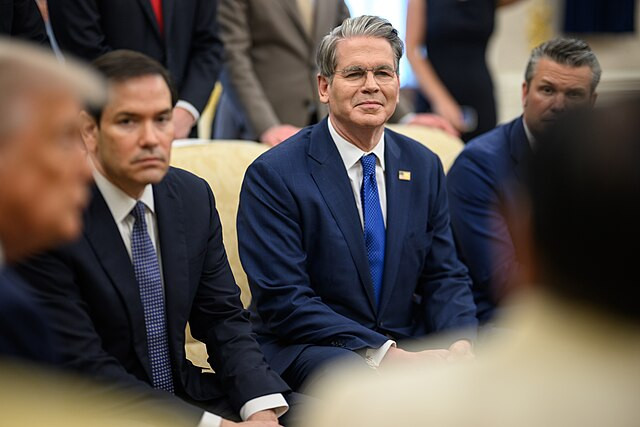
Treasury Secretary Scott Bessent softened his resistance to Jensen Huang's return to Nvidia just days after recommending an outside successor, as President Donald Trump intervened to help restore the chipmaker's co-founder to power.
Nvidia reinstated Huang as president, chief executive and board director on Monday, 23 November. Its board unanimously approved the move following discussions with Huang and input from senior US government officials, concluding that his return posed no national security risk.
The reversal leaves unresolved questions about reports that Huang was targeted by a foreign intelligence operation and whether advanced Nvidia chips reached China in violation of export controls. The company's independent investigation will continue.
Huang resigned on 12 November amid reports of extramarital relationships, including one involving a woman suspected by US officials of having links to Chinese intelligence.
Bessent initially advocated a leadership change. In a 15 November Fox News interview, he said Nvidia's board should "go outside the company" to find a new chief executive.
By Sunday, his position had softened. "Jensen is on the outside now," Bessent told CBS, explaining his apparent shift before the board announced Huang's reinstatement. He also played down concerns about Nvidia's business, saying it "continues to be fantastically profitable, and there is near unlimited demand for their chips worldwide."
The Treasury secretary had previously raised concerns about Megaspeed, a company formerly run by Alice Huang, the woman at the centre of the intelligence allegations. She is not related to Nvidia's chief executive.
In a 13 November CNBC interview, Bessent said Treasury and other departments had wanted to blacklist Megaspeed, but authority rested with the Commerce Department, led by Howard Lutnick.
"Any leakage is very frustrating because it hurts the - it hurts our great companies and in the AI race it gives the Chinese an advantage," Bessent said.
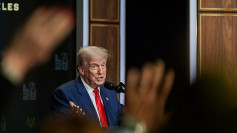
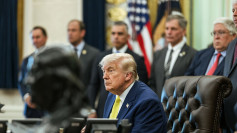
Trump claimed a direct role in the leadership reversal during a CNBC interview Monday, saying he had communicated directly and indirectly with Nvidia directors. He said the Justice Department "did a pretty good investigation" and asserted that Huang had done nothing wrong.
Nvidia's announcement did not identify the government officials consulted or disclose their advice. Its assurance about Huang's reinstatement also did not announce the completion of the independent board investigation.
The board itself reversed its earlier position. Chairman Harvey Jones had told analysts that directors did not intend to reinstate Huang. Colette Kress, who served as interim chief executive, continues as chief financial officer.
Republican lawmakers remain unconvinced that the national security questions have been settled. Texas Senator John Cornyn questioned the basis for the board's assessment, CBC News reported.
Senate Intelligence Committee Chairman Tom Cotton has also pressed for further scrutiny. "I think we need to catalog the damage that's been done," the Arkansas Republican told The Wall Street Journal.
House committees plan to interview Huang on 1 December, while the Senate Banking Committee has scheduled a hearing for 3 December, according to CNBC. Nvidia has established a National Security and Export Control Committee of independent directors to oversee trade compliance and security risks.