Jerry Lin

The Latest
-
Gold Tops $4,500 as Silver Breaks $70, Capping Precious Metals’ Best Year Since 1979
Gold and silver surged to record highs this week, extending a powerful rally that has made precious metals among the best-performing assets of 2025 and placed them on track for their strongest annual gains since the late 1970s, as investors sought protection from geopolitical risk, a weakening dollar, and expectations of easier U.S. monetary policy. 
Gold and silver surged to record highs this week, extending a powerful rally that has made precious metals among the best-performing assets of 2025 and placed them on track for their strongest annual gains since the late 1970s, as investors sought protection from geopolitical risk, a weakening dollar, and expectations of easier U.S. monetary policy. -
U.S. GDP Surges 4.3% in Third Quarter as Consumer Spending and Exports Power Growth
The U.S. economy expanded at a sharply faster pace than expected in the third quarter, according to a long-delayed government report that underscored the resilience of consumer spending even as inflation pressures intensified and economic momentum showed signs of uneven distribution. 
The U.S. economy expanded at a sharply faster pace than expected in the third quarter, according to a long-delayed government report that underscored the resilience of consumer spending even as inflation pressures intensified and economic momentum showed signs of uneven distribution. -
U.S.–EU Tech Clash Escalates as Washington Warns of Retaliation After €3B in Fines on Google, Apple and Meta
A deepening rift between Washington and Brussels over the regulation of large technology companies is hardening into a transatlantic confrontation, with U.S. officials warning that European champions such as Spotify could face countermeasures after the European Union imposed multibillion-euro penalties on American firms including Google, Apple and Meta. The dispute centers on the EU's Digital Markets Act and Digital Services Act, which U.S. officials argue disproportionately burden U.S.-based companies operating in Europe. 
A deepening rift between Washington and Brussels over the regulation of large technology companies is hardening into a transatlantic confrontation, with U.S. officials warning that European champions such as Spotify could face countermeasures after the European Union imposed multibillion-euro penalties on American firms including Google, Apple and Meta. The dispute centers on the EU's Digital Markets Act and Digital Services Act, which U.S. officials argue disproportionately burden U.S.-based companies operating in Europe. -
U.S. Unemployment Hits 4.6%, Defying Forecasts as Labor Market Cooling Deepens
U.S. unemployment rose to 4.6% in November, the highest level since 2021, delivering an unexpected jolt to markets and policymakers already grappling with signs that the labor market is losing momentum heading into 2026. 
U.S. unemployment rose to 4.6% in November, the highest level since 2021, delivering an unexpected jolt to markets and policymakers already grappling with signs that the labor market is losing momentum heading into 2026. -
From Bitcoin Skeptic to Blockchain Builder: JPMorgan Unveils Tokenized Money Market Fund
JPMorgan Chase & Co. has taken its most concrete step yet into blockchain-based investing, launching a tokenized money market fund that underscores how even the fiercest critics of cryptocurrency are adapting to the technology's growing role in global finance. 
JPMorgan Chase & Co. has taken its most concrete step yet into blockchain-based investing, launching a tokenized money market fund that underscores how even the fiercest critics of cryptocurrency are adapting to the technology's growing role in global finance. -
Fed Chair Powell Warns Trump Tariffs Are Driving Inflation Above 2% and Threatening Job Growth
Federal Reserve Chair Jerome Powell said President Donald Trump's sweeping tariff policies have become a primary force pushing U.S. inflation above the central bank's 2% target, complicating efforts to sustain maximum employment and price stability. Speaking at a press conference following the Federal Open Market Committee meeting on Dec. 10, Powell made clear that tariffs are now a central variable shaping monetary policy decisions. 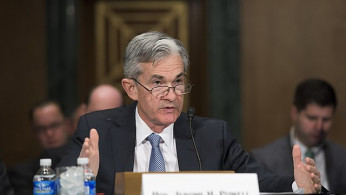
Federal Reserve Chair Jerome Powell said President Donald Trump's sweeping tariff policies have become a primary force pushing U.S. inflation above the central bank's 2% target, complicating efforts to sustain maximum employment and price stability. Speaking at a press conference following the Federal Open Market Committee meeting on Dec. 10, Powell made clear that tariffs are now a central variable shaping monetary policy decisions. -
Mexico Targets China, India with 50% Import Duties as USMCA Review Looms
Mexico's decision to impose steep tariff hikes on more than 1,400 imported products is sending ripples across global supply chains, drawing criticism from analysts, foreign governments and major automakers from India to China. The legislation-approved by both chambers of Congress on Wednesday and backed by President Claudia Sheinbaum's Morena party-raises duties as high as 50% beginning in January. 
Mexico's decision to impose steep tariff hikes on more than 1,400 imported products is sending ripples across global supply chains, drawing criticism from analysts, foreign governments and major automakers from India to China. The legislation-approved by both chambers of Congress on Wednesday and backed by President Claudia Sheinbaum's Morena party-raises duties as high as 50% beginning in January. -
Fed Delivers Third Rate Cut, Signals Slower Easing as Inflation Seen Above 2% Through 2028
The Federal Reserve delivered its third interest-rate cut in four months and its lowest policy setting since 2022, but deep internal divisions and cautious guidance signaled that further easing will be harder to achieve and likely slower. 
The Federal Reserve delivered its third interest-rate cut in four months and its lowest policy setting since 2022, but deep internal divisions and cautious guidance signaled that further easing will be harder to achieve and likely slower. -
Mortgage Rates Jump to 6.32% Ahead of Fed Meeting as Treasury Yields Rise and Buyers Face Renewed Squeeze
Mortgage rates climbed to 6.32% on Monday, surprising prospective homebuyers just one day before the Federal Reserve begins its final policy meeting of 2025. The jump, reported by The Mortgage Reports, lifted the average 30-year fixed rate by five basis points to 6.324%, signaling that lenders may be moving preemptively ahead of Wednesday's widely expected interest-rate cut. The increase adds pressure at a time when rising job losses, elevated inflation and weakening affordability are already reshaping the U.S. housing market. 
Mortgage rates climbed to 6.32% on Monday, surprising prospective homebuyers just one day before the Federal Reserve begins its final policy meeting of 2025. The jump, reported by The Mortgage Reports, lifted the average 30-year fixed rate by five basis points to 6.324%, signaling that lenders may be moving preemptively ahead of Wednesday's widely expected interest-rate cut. The increase adds pressure at a time when rising job losses, elevated inflation and weakening affordability are already reshaping the U.S. housing market. -
China’s Trade Surplus Tops $1.08 Trillion as Exports Rise 5.9% Despite U.S. Shipments Plunging 29%
China's exports rebounded sharply in November, rising 5.9% year-over-year to $330.3 billion and pushing the country's trade surplus above $1 trillion for the first time, even as shipments to the United States plunged nearly 29%, according to customs data released Monday. The figures underscore Beijing's growing reliance on diversified export markets as U.S. demand continues to weaken. 
China's exports rebounded sharply in November, rising 5.9% year-over-year to $330.3 billion and pushing the country's trade surplus above $1 trillion for the first time, even as shipments to the United States plunged nearly 29%, according to customs data released Monday. The figures underscore Beijing's growing reliance on diversified export markets as U.S. demand continues to weaken.
