Jerry Lin

The Latest
-
Gold Slides 8% From Record High as Traders Unwind Bets; Oil Rises on Geopolitical Jitters
Gold prices extended their decline Wednesday, erasing much of the year's record-breaking rally as investors rushed to lock in profits and analysts warned that speculative trading had reached unsustainable levels. 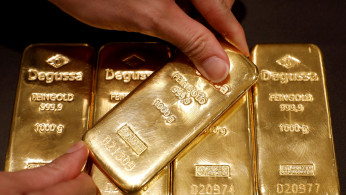
Gold prices extended their decline Wednesday, erasing much of the year's record-breaking rally as investors rushed to lock in profits and analysts warned that speculative trading had reached unsustainable levels. -
China’s Economy Expands 4.8% in Q3, but Fixed-Asset Investment Records 'Rare and Alarming' Decline
China's economy grew 4.8% in the third quarter from a year earlier, matching forecasts but underscoring deep imbalances as property investment plunged and consumer spending lost steam. The slowdown, coupled with a 0.5% contraction in fixed-asset investment, marks the country's weakest domestic momentum in a year and comes as President Xi Jinping convenes top officials to finalize China's next five-year economic plan. 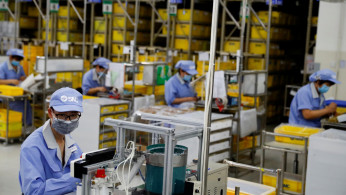
China's economy grew 4.8% in the third quarter from a year earlier, matching forecasts but underscoring deep imbalances as property investment plunged and consumer spending lost steam. The slowdown, coupled with a 0.5% contraction in fixed-asset investment, marks the country's weakest domestic momentum in a year and comes as President Xi Jinping convenes top officials to finalize China's next five-year economic plan. -
Rare Earth Shipments From China Drop 6% Amid Fresh Export Curbs and U.S. Tariff Threats
China's exports of rare earth magnets fell sharply in September, deepening concerns that Beijing may again use its dominance in critical mineral supplies as leverage in trade negotiations with the United States. The latest data come as both governments prepare for renewed tariff talks ahead of the November 10 expiration of their 90-day truce. 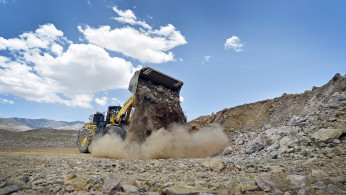
China's exports of rare earth magnets fell sharply in September, deepening concerns that Beijing may again use its dominance in critical mineral supplies as leverage in trade negotiations with the United States. The latest data come as both governments prepare for renewed tariff talks ahead of the November 10 expiration of their 90-day truce. -
Oil Prices Rise as India Considers Halting Russian Imports Under Trump Pressure
Oil prices rose Thursday as traders weighed the prospect of India curbing imports of Russian crude following U.S. President Donald Trump's claim that Prime Minister Narendra Modi had pledged to end purchases from Moscow. Brent crude climbed 54 cents, or 0.87%, to $62.45 a barrel, while U.S. West Texas Intermediate gained 56 cents, or 0.96%, to $58.83 by 11:35 a.m. GMT. 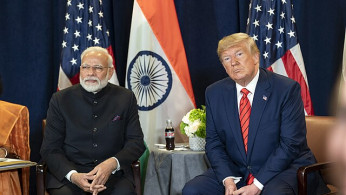
Oil prices rose Thursday as traders weighed the prospect of India curbing imports of Russian crude following U.S. President Donald Trump's claim that Prime Minister Narendra Modi had pledged to end purchases from Moscow. Brent crude climbed 54 cents, or 0.87%, to $62.45 a barrel, while U.S. West Texas Intermediate gained 56 cents, or 0.96%, to $58.83 by 11:35 a.m. GMT. -
DOJ Seizes $15 Billion in Bitcoin as U.S. and U.K. Sanction Cambodia-Based ‘Pig Butchering’ Crime Network
The U.S. Department of Justice has seized about $15 billion in bitcoin linked to an alleged global fraud and human trafficking network based in Cambodia, marking the largest cryptocurrency forfeiture in its history. The operation targeted a sprawling "pig butchering" scam - an industry-scale investment fraud ring that U.S. prosecutors say was run by Chinese-born businessman Chen Zhi through his conglomerate, Prince Holding Group. 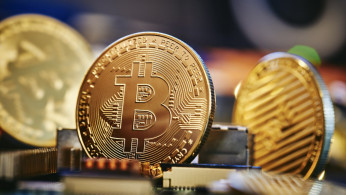
The U.S. Department of Justice has seized about $15 billion in bitcoin linked to an alleged global fraud and human trafficking network based in Cambodia, marking the largest cryptocurrency forfeiture in its history. The operation targeted a sprawling "pig butchering" scam - an industry-scale investment fraud ring that U.S. prosecutors say was run by Chinese-born businessman Chen Zhi through his conglomerate, Prince Holding Group. -
EU Pushes for U.S. Alliance to Confront China’s Expanding Rare Earth Export Curbs
European Union trade officials said Tuesday they are seeking to coordinate a unified response with the United States and other G7 partners to China's latest expansion of export restrictions on rare earth minerals-an escalation that has raised alarm across Europe's industrial base and intensified global economic tensions. 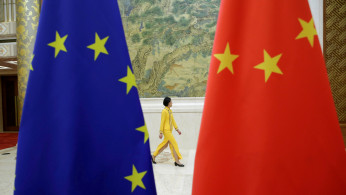
European Union trade officials said Tuesday they are seeking to coordinate a unified response with the United States and other G7 partners to China's latest expansion of export restrictions on rare earth minerals-an escalation that has raised alarm across Europe's industrial base and intensified global economic tensions. -
JPMorgan CEO Jamie Dimon Warns of 30% Chance of U.S. Stock Market Correction
Jamie Dimon, the chairman and chief executive officer of JPMorgan Chase, warned that the U.S. stock market faces a heightened risk of a significant correction, saying he is "far more worried than others" about the possibility of a downturn in the next six months to two years. 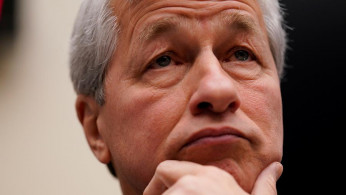
Jamie Dimon, the chairman and chief executive officer of JPMorgan Chase, warned that the U.S. stock market faces a heightened risk of a significant correction, saying he is "far more worried than others" about the possibility of a downturn in the next six months to two years. -
Gold Surges Past $4,000 as Billionaires, Central Banks Drive Historic Rally Amid Market Uncertainty
Gold prices soared above $4,000 per ounce this week for the first time, marking a nearly 50% gain since January and capping one of the most dramatic rallies in the precious metal's modern history. The surge, driven by a mix of billionaire investors, central bank buying, and retail inflows, underscores deepening uncertainty in global markets and growing skepticism toward the U.S. dollar. 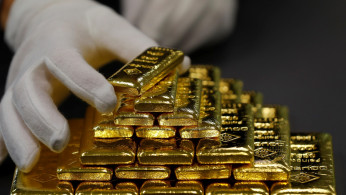
Gold prices soared above $4,000 per ounce this week for the first time, marking a nearly 50% gain since January and capping one of the most dramatic rallies in the precious metal's modern history. The surge, driven by a mix of billionaire investors, central bank buying, and retail inflows, underscores deepening uncertainty in global markets and growing skepticism toward the U.S. dollar. -
Oil Prices Rise 1% as OPEC+ Announces Smaller-Than-Expected Output Hike
Oil prices climbed Monday after OPEC+ agreed to raise production by a smaller amount than traders anticipated, easing fears of oversupply even as demand concerns linger. 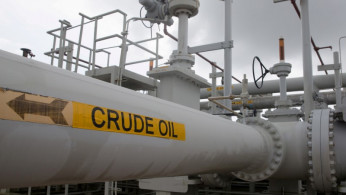
Oil prices climbed Monday after OPEC+ agreed to raise production by a smaller amount than traders anticipated, easing fears of oversupply even as demand concerns linger. -
AI Tools, Discounts, and Mobile Shopping to Drive $253 Billion Holiday Season, Adobe Forecast Says
U.S. consumers are expected to spend $253.4 billion online this holiday season, a 5.3% increase from last year, as shoppers turn to artificial intelligence tools, steep discounts, and flexible payment plans to navigate economic pressure from tariffs and inflation, according to Adobe Analytics data released Monday. 
U.S. consumers are expected to spend $253.4 billion online this holiday season, a 5.3% increase from last year, as shoppers turn to artificial intelligence tools, steep discounts, and flexible payment plans to navigate economic pressure from tariffs and inflation, according to Adobe Analytics data released Monday.
