Everybody wants fairness, but what if tourists have to pay more in the country they visit than the locals living there? Is it fair or not? There is a long debate about this issue, but there is a simple explanation for this. There is a two-tier payment system that works properly to "redistribute wealth" in a fair way, and here how it goes.
According to the South China Morning Post, advocates complain that tourists already paid more in souvenir markets, restaurants, and hotels. They also have to shell out more money to see the famous attractions in the country they visit. But why do they pay more compared to locals?
There is a belief that tourists are richer than locals. The extra money they pay can be used to improve the attraction they visit or the people in that country. Take Singapore as an example. Visitors have to pay double to ride the Peak Tram. The extra fee they add will be used to help 1.4 million Hongkongers who live "below the poverty line."
Another explanation why tourists pay more than locals is because the country's residents are already paying their taxes. These taxes are used to improve and develop their national heritage, which the foreigners often visit.
Hence, tourists are not being fleeced if they pay more compared to the locals. The visitors are paying the "market rate." The country's residents, on the other hand, are getting a discount.
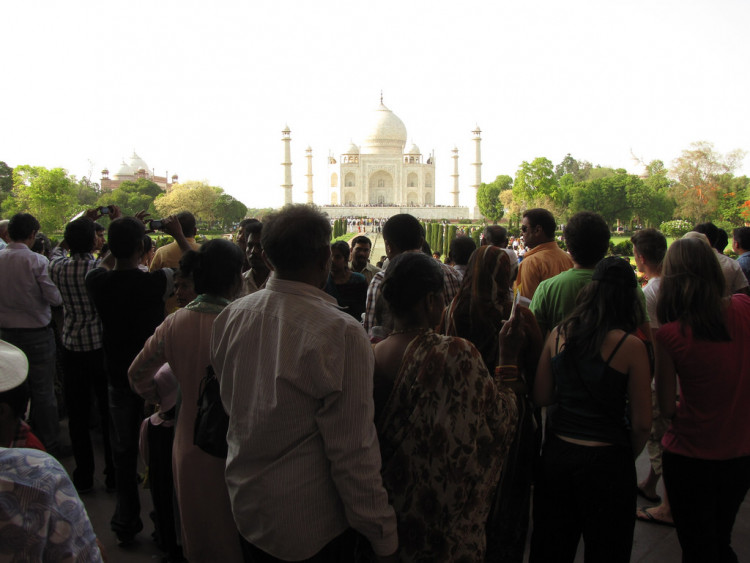
Stuff.co.nz added that tourists have higher income and have the extra money to spend than "third-world locals." If Indian nationals have to pay 1000 rupees to see Taj Mahal like a foreigner, then it is like they are being "priced out" by their own country to visit their attraction. There are Nepalese or Sri Lankan people who can't visit national heritages or attractions because they can't afford it. Alternatively, if international visitors pay the same local price, there will be less revenue to use for the maintenance of the place they go to.
Another example is foreign students. They pay more to study in the country they chose because they don't pay the taxes to help improve its education system. There are also temples that charge foreigners to see their site because they are there for a trip, and not to worship as locals do.
There are tourists who can afford to pay higher prices. If they can pay a little extra for the airfare, they can also shell out to visit the attractions and heritage of the country they visit. The money will surely go for the improvement and maintenance of those sites.