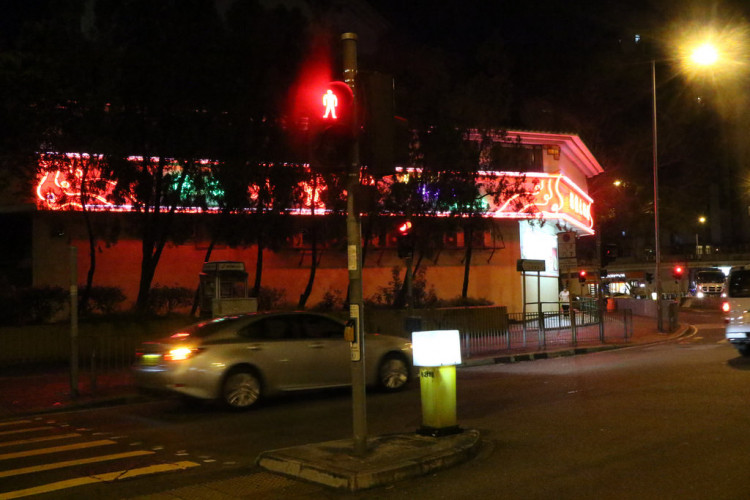
Kowloon Tong is very different from Hong Kong. It is a suburban version of the country, a garden city where there are no buildings and filled with greenery and walls. But behind its quiet and peaceful surrounding, the place is also known for its love hotels.
According to Hong Kong Free Press, Kowloon Tong is a divided neighborhood. It has love motels, posh kindergarten schools, and old age homes.
Kowloon Tong features love hotels' "old-world version." Here, parking spaces are hidden and restraints. It also has mirrored ceilings to entice more lovers and clientele.
Love hotels get often scrutinized in Hong Kong. As the housing market in the country continues to soar up, it is not surprising that more and more people opt to stay in this place.
The Telegraph listed Hong Kong as third of the most expensive and densely populated cities in the world. So instead of sharing a room with their parents or siblings, people who want to "pursue romantic options" choose to lodge in love hotels.
People on their 20s to 30s find love hotels as their "second home." A Go Open Room user even said that it is his favorite motel as it is his second home with his significant other.
The South China Morning Post added love hotels represent a strange twist in Kowloon Tong's history. When the place's MTR station opened in 1979, it made the city close to public transport. So, it became a convenient place for meetings and rendezvous.
Kowloon Tong's villas, which hid behind the high walls, became the discreet hourly hotels, also known as love hotels. A lot of it still exists today, serving young couples and married people who are having indecent affairs.
Although there are reports that the demand for love hotels are now subsiding, it is not yet gone. Many of Kowloon Tong's love hotels have indeed shut down in recent years. However, it is not because Hongkongers have fewer affairs, but some of the investors that own the place are starting to sell their properties.
The government is now maintaining restrictions on Kowloon Tong's development despite being pressured by the landowners. The place's recent Outline Zoning Plan, which got approved in 2015, reserves 75 hectares for "low- to medium-rise, low-density residential developments." However, there is still a lot of money that can still be made in the city.
Old villas are now knocked down. Gardens are bulldozed to make way for the building of townhouses. Love hotels may soon be gone, but a handful of 1920s-era houses remain in Kowloon Tong.