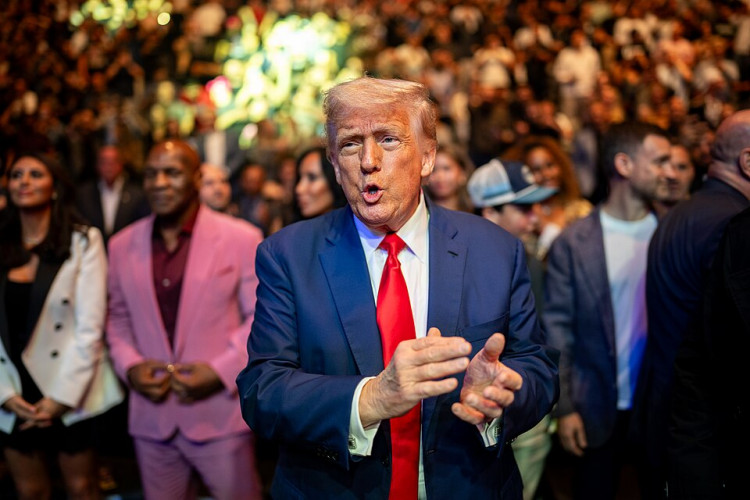
President Donald Trump has begun publicly shaping the narrative around allegations facing Defense Secretary Pete Hegseth, using a series of remarks and posts to suggest the controversy is politically motivated while placing growing responsibility on Hegseth himself. The strategy follows a Washington Post report alleging that Hegseth ordered U.S. forces to "kill everybody" aboard a vessel during a Sept. 2 maritime operation in the Caribbean-an account the Pentagon has denied and which has triggered congressional oversight.
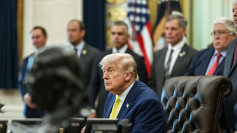
Speaking to reporters aboard Air Force One, Trump signaled full confidence in his Defense Secretary. Asked whether he accepted Hegseth's denial of issuing a follow-on strike, he told reporters, "I believe[s] him 100%." A White House video of the gaggle shows Trump repeatedly praising the administration's maritime campaign against what officials describe as "narco-terrorists," while distancing himself from operational details.
Advisers familiar with the president's thinking say the approach is intended to shape public perception early, portraying the allegations as media-driven and reinforcing loyalty to Hegseth among Republicans. By attacking the reporting and embracing Hegseth's version of events, Trump is also laying rhetorical groundwork that could shift scrutiny directly onto the Defense Secretary should the controversy escalate.
The allegations stem from a Nov. 29 Washington Post investigation citing multiple individuals with direct knowledge of the operation. According to those accounts, Hegseth delivered a verbal instruction that "the order was to kill everybody," including two survivors left in the water after the initial strike. The report also described a follow-up strike that killed the survivors-a scenario experts say could violate the laws of war if proven accurate.
Hegseth has rejected the reporting as "fabricated" and "fake news," and has defended the broader campaign as "lethal, kinetic strikes" consistent with U.S. and international law. Administration lawyers have previously described cartel groups as unlawful combatants within a "non-international armed conflict," a classification communicated to Congress earlier this year and central to the administration's justification for using lethal force at sea.
Congressional leaders reacted swiftly. The House Armed Services Committee announced it would seek "a full accounting of the operation in question," while Senate Armed Services leaders said they would exercise vigorous oversight. That bipartisan response has transformed what began as a newspaper investigation into a formal institutional review with authority to compel testimony and documents.
Outside Congress, civil-liberties organizations have filed public-records requests seeking Office of Legal Counsel memoranda and presidential directives governing maritime strikes. Lawyers involved in the filings say the requests are designed to create a paper trail that could be used in litigation or future hearings if discrepancies arise between public statements and internal legal analyses.
The emerging oversight structure means investigators will soon pursue operational logs, Pentagon communications and Justice Department opinions that could clarify the chain of command and the legality of the directive. The material will determine whether the controversy remains partisan conflict or develops into a broader legal examination of the administration's targeting policies.