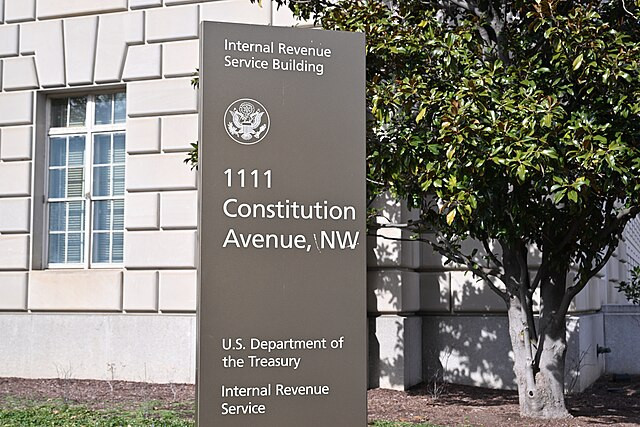
The Internal Revenue Service's decision to raise the 401(k) contribution limit to $24,500 for 2026 has reignited a debate over whether higher caps meaningfully improve retirement readiness for middle-class Americans. The increase, effective January 1, 2026, comes as inflation, debt burdens and stagnant wages continue to erode household savings capacity. Financial analysts say the new thresholds largely benefit higher-income workers, leaving most households unable to take advantage of the expanded room.
The $1,000 rise-twice the increase applied in 2024 and 2025-arrives at a time when few workers are reaching even the current maximum. Vanguard's 2025 How America Saves report found that only 14% of participants maxed out their 401(k) contributions in 2024 across more than 1,400 plans representing nearly 5 million savers. Median account balances remain far below what experts consider necessary for long-term security.
Vanguard data show a median 401(k) balance of $38,176 in 2024, compared with an average of 148,153, a gap illustrating how a relatively small group of high earners drives up the national average. While the higher caps technically allow more tax-advantaged saving, wealth managers warn that most workers lack the disposable income to benefit.
Lisa Featherngill, national director of strategic wealth and business advisory at Comerica Wealth Management, said, "The new 2026 retirement plan limits give people more room to save, which is especially helpful as retirement becomes longer and more expensive." But research from the Harvard Law School Forum on Corporate Governance notes that the top 10% of earners capture 60% of tax benefits related to retirement savings, magnifying long-standing concerns about unequal access to tax incentives.
More middle-income families are falling behind. A November 2025 Primerica report found households are "delaying contributions to retirement plans" as essential costs remain more than 30% above early 2021 levels, creating "long-term gaps that are difficult to close." A Bankrate survey from August 2025 reported that 58% of workers believe they are behind on retirement savings, including 37% who feel significantly behind.
The IRS will also increase catch-up contribution limits for workers aged 50 and older to $8,000 in 2026. The enhanced "super catch-up" for workers aged 60 to 63 will remain $11,250. Yet Vanguard found that only 16% of eligible savers used catch-up contributions in 2024, a sign that higher ceilings alone do not translate into greater participation.
New rules under the SECURE 2.0 Act add additional complexity. Workers earning more than $150,000 in the prior year must classify catch-up contributions as Roth contributions, meaning they will be taxed upfront rather than deferred. The IRS also raised other thresholds: the annual compensation limit will rise to $360,000; defined contribution plan caps will increase to $72,000; and HSA maximums will climb to $4,400 for single coverage and $8,750 for families.
Meanwhile, retirement expectations continue to rise. Northwestern Mutual's 2025 Planning & Progress study found Americans now believe they need $1.26 million to retire comfortably, yet one in four with retirement accounts has savings equal to a year or less of current income. Mark Hamrick, senior economic analyst at Bankrate, warns that unfunded personal savings combined with Social Security and Medicare shortfalls present systemic risks. "The time-bomb is ticking," he says.