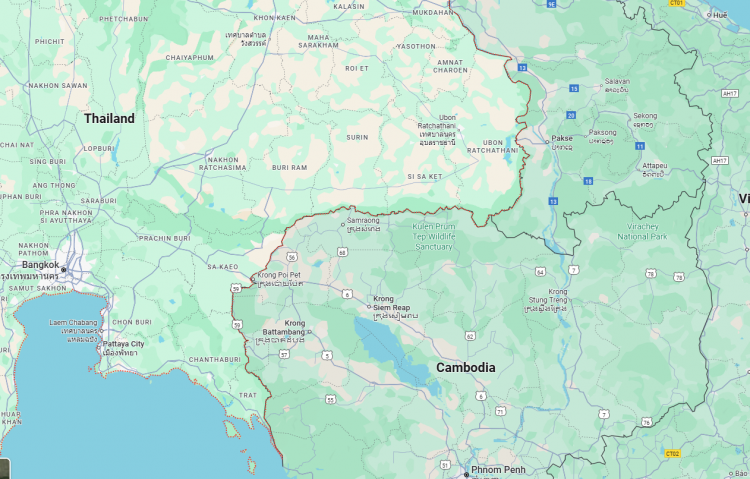
Tensions along the Thailand-Cambodia border erupted into the region's worst violence in months, as Thailand launched airstrikes on Monday following deadly clashes that killed at least five civilians and displaced more than 385,000 people. The escalation threatens to unravel a fragile ceasefire brokered just two months ago by U.S. President Donald Trump, according to CNN reporting from the area.
The confrontation began Sunday with exchanges of gunfire before intensifying into aerial bombardments by Monday morning. Both Bangkok and Phnom Penh accuse each other of reigniting the conflict, which mirrors the deadly July clashes that left dozens dead and forced tens of thousands from their homes.
The humanitarian toll deepened rapidly as hospitals along the Thai border closed and evacuated patients. Health authorities confirmed that Ta Phraya Hospital, Khok Sung Hospital, Aranyaprathet Hospital and Khlong Hat Hospital shut down regular outpatient and inpatient services, with only emergency cases accepted. More facilities in surrounding "red zones" have begun transferring patients, including Kantharalak Hospital, which relocated more than 120 bedridden or chronically ill individuals.
Medical officials warned that closures compound the vulnerability of elderly and incapacitated residents. The shutdowns follow an earlier wave of hospital closures in July, bringing the total to at least nine facilities affected since the conflict escalated.
Thai military officials said the latest airstrikes were retaliation after a Thai soldier was killed and several others wounded. Cambodia denied responsibility and accused Thailand of provoking the confrontation. Both governments continue to dispute who initiated the violence, raising doubts about whether international mediation can restore stability.
Authorities have ordered mass evacuations in multiple border provinces. Thailand reports more than 385,000 displaced civilians, while thousands of Cambodian families have fled into the interior. NGOs say shelters are overcrowded and lack essential supplies as families flee with limited warning.
Health infrastructure has emerged as a central casualty of the renewed hostilities. Rights organizations warn that targeting or damaging civilian medical facilities may constitute violations of international humanitarian law. Medical workers say overstretched emergency rooms and disrupted treatment schedules will likely lead to a surge in preventable complications, including chronic illnesses and psychological trauma.