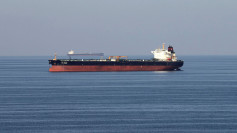
The U.S. Navy, the Strait of Hormuz, and escalating tensions with Iran have placed a major portion of global oil supply in limbo, as military officials decline requests from shipping companies seeking protection for commercial tankers through the critical waterway. According to shipping industry sources cited by Reuters, the Navy has repeatedly refused escort requests since fighting with Iran began on Feb. 28, citing a high risk of attack.
More than 150 commercial vessels are currently anchored outside the strait, unable to move through one of the most strategically vital energy corridors in the world. The passage, just 21 miles wide at its narrowest point, typically carries about 20% of global oil shipments and roughly 25% of the world's liquefied natural gas exports.
The shipping freeze has intensified concerns about disruptions to global energy markets, especially as tensions between Washington and Tehran continue to escalate.
Shipping executives have reportedly been calling the Navy almost daily to request military protection for vessels attempting to transit the strait. According to Reuters, those requests have been repeatedly rejected during industry briefings with U.S. military officials.
One maritime security source summarized the military assessment in stark terms, telling Reuters that escorting ships would require far more control over the region than currently exists. The source said securing the route could mean dominating Iran's entire coastline and warned: "There are not enough naval vessels to do that and the risks remain high even with an escort."
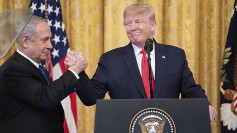
The refusal contrasts with comments from President Donald Trump, who earlier suggested the Navy could intervene if necessary. Speaking to reporters at Mar-a-Lago, Trump said the U.S. military would step in to protect shipping if the situation demanded it.
Trump said the Navy would escort tankers "if necessary" and "if it's needed, we'll escort them right through."
The operational reality described by military officials appears more cautious. According to three shipping industry sources cited by Reuters, the Navy has said escorts will remain off the table until the threat environment improves.
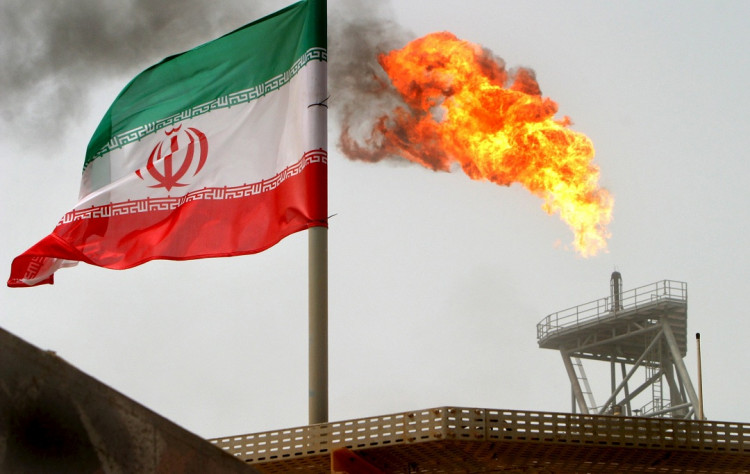
Iran's Islamic Revolutionary Guard Corps (IRGC) has escalated rhetoric around the crisis. On Tuesday, a senior IRGC official warned Iran would not allow "one litre of oil" to leave the region while U.S. and Israeli strikes continue.
The conflict has already damaged five tankers, and two crew members have been killed since the fighting began.
Confusion over the situation briefly spread in Washington after Energy Secretary Chris Wright posted on social media that a tanker had been escorted through the strait. According to reporting cited by Reuters, the message was deleted roughly 30 minutes later.
Shortly afterward, White House press secretary Karoline Leavitt clarified the situation, stating that "the US Navy has not escorted a tanker or a vessel at this time."
The shipping disruption has already begun to ripple through global energy markets.
Key market indicators include:
- Brent crude briefly reached $119 per barrel over the weekend
- U.S. crude has risen more than 28% since the conflict began, according to CNBC
- The average U.S. gasoline price reached $3.54 per gallon as of March 9
Energy executives warn the supply shock could worsen if the blockade persists.
Saudi Aramco CEO Amin Nasser described the situation in unusually stark terms, calling the crisis "by far the biggest" the regional oil industry has faced. He warned that prolonged disruption could bring "catastrophic consequences for the world's oil markets."
To mitigate supply interruptions, Saudi Aramco has begun rerouting oil shipments through its East-West pipeline to the Red Sea port of Yanbu, which is expected to reach full capacity of 7 million barrels per day within days.
Other producers are already struggling to manage excess supply stranded inside the Gulf. Iraq has reportedly cut production by 1.5 million barrels per day after storage facilities filled.
Military officials say contingency planning continues. General Dan Caine, chairman of the Joint Chiefs of Staff, confirmed the Pentagon is evaluating escort strategies but provided no timeline.
Some allied nations are considering independent responses. French President Emmanuel Macron, speaking from Cyprus on March 9, announced plans for a "purely defensive" escort mission involving nearly a dozen French naval vessels once the most intense phase of fighting subsides.
Analysts remain skeptical that any coalition could fully secure the strait.
Adel Bakawan, director of the European Institute for Studies on the Middle East and North Africa, said the strategic challenge is immense. Bakawan told reporters: "Neither France, the United States, an international coalition, nor anybody is in a position to secure the Strait of Hormuz."
Meanwhile, the Pentagon has increased pressure on Iran, warning of potential additional strikes unless oil shipments resume and confirming that U.S. forces are targeting mine-laying vessels and storage facilities along Iran's coastline.