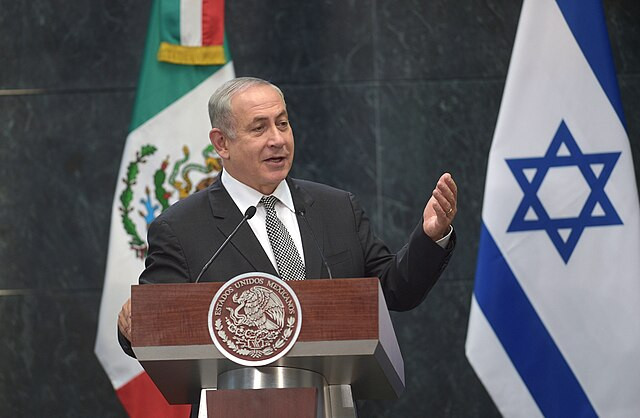
Benjamin Netanyahu's long-running corruption trial was abruptly halted again on April 27, 2026, after his legal team filed a last-minute security objection, underscoring how proceedings-now spanning six years and more than 80 testimonies-remain without a clear endpoint.
The cancellation came just 90 minutes before the Tel Aviv District Court was set to resume hearings, marking the latest in a string of disruptions that have slowed one of Israel's most consequential legal cases. The delay coincided with comments from Isaac Herzog, who ruled out an immediate pardon and instead advocated mediation between prosecutors and Netanyahu's defense team.
Netanyahu, the first sitting Israeli prime minister to face criminal charges, has been on trial since May 2020 following a 2019 indictment by then-Attorney General Avichai Mandelblit. The charges span three cases involving allegations of bribery, fraud and breach of trust tied to relationships with media executives and wealthy benefactors.
The scope of the case is extensive, involving multiple alleged arrangements:
- Case 1000 ("gifts affair"): prosecutors allege Netanyahu and his wife received gifts valued at over NIS 700,000 from figures including Arnon Milchan and James Packer.
- Case 2000: centers on discussions with publisher Arnon Mozes about favorable media coverage in exchange for regulatory actions.
- Case 4000: the most serious charge, alleging regulatory benefits worth about NIS 1.8 billion to telecom firm Bezeq in exchange for favorable coverage on the Walla news site.
Netanyahu has denied all allegations, describing the proceedings as a "witch hunt" and a "political coup."
The latest delay reflects a broader pattern. Hearings have been repeatedly interrupted by external and internal factors, including regional conflict, medical issues, procedural disputes and security concerns. Testimony itself began only in April 2021, nearly a year after the trial opened, and the prosecution did not rest until mid-2024.
Legal friction intensified further following a dispute with Ronen Bar, who alleged in a sworn affidavit that Netanyahu pressured him to declare court appearances a security risk. Bar said such an assessment could have justified pausing the trial. Netanyahu denied that characterization, arguing he sought logistical solutions that would allow proceedings to continue without delay, stating he did not want any postponement "even by a single day."
The confrontation had institutional consequences. Netanyahu's cabinet dismissed Bar in March 2025, a decision later ruled unlawful by Israel's Supreme Court, which cited procedural flaws and potential conflicts of interest.
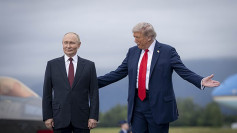
Parallel to courtroom delays, political maneuvering has added complexity. Netanyahu formally requested a pardon in late 2025, prompting involvement from Donald Trump, who urged Israeli authorities to end the trial. Herzog's office responded that decisions would be made independently, stating: "Israel is a sovereign state governed by the rule of law. The president will examine the request according to the law, the good of the country and according to his conscience, without any influence from external or internal pressures of any kind."
Despite that stance, Herzog confirmed discussions around mediation, highlighting the unusual legal territory of a potential pre-conviction pardon, which has no clear precedent in Israeli law.