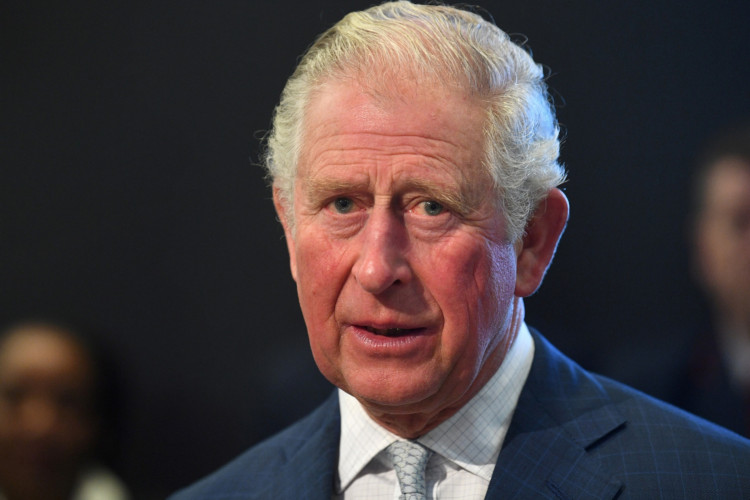
King Charles III is facing renewed public pressure to reconsider the status of Prince Harry and Meghan Markle following their recent visit to Australia, as commentators invoke what has been labeled the "Andrew rule" to argue for stricter enforcement of royal accountability.
The phrase, popularized by broadcaster Piers Morgan, refers to the precedent set by Prince Andrew, whose royal duties, military titles and patronages were stripped amid scandal. Morgan argues that the same principle could be applied to other royals perceived to have damaged the monarchy's reputation, even if their circumstances differ significantly.
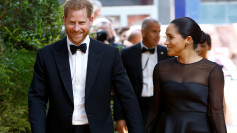
The debate gained traction after Harry and Meghan completed a four-day visit to Sydney, Melbourne and Canberra, a trip described as private but widely covered in a manner resembling official royal tours. Critics contend that the continued use of the Sussex titles during such appearances blurs the distinction between private citizens and working members of the Royal Family.
Morgan, speaking on his program, emphasized that his comparison was not based on equivalence of conduct. "I've always made it clear that Andrew's offenses to me are far more egregious than anything Harry and Meghan have done," he said. "I've never said anything different, and I wouldn't say that now." Even so, he argued that a broader standard should apply when a royal is seen to "dishonor and disrespect the reputation of the institution of the monarchy or the royal family."
The suggestion has no formal backing from Buckingham Palace, which has issued no statement on the couple's Australia trip or the status of their titles. Within official channels, the concept of an "Andrew rule" remains a media construct rather than an established policy framework.
The controversy reflects a deeper and ongoing tension surrounding the Sussexes' post-royal identity. Since stepping back from senior duties in 2020 and relocating to California, Harry and Meghan have continued to use their titles, which they retain legally. Supporters argue that this is consistent with royal protocol, while critics view it as a form of branding tied to commercial and public engagements.
Historian Tessa Dunlop challenged Morgan's framing during a televised exchange, arguing that the couple's conduct in Australia was more informal than critics suggest. "I find it honest what they are doing in Australia. You may find it vulgar. Finally she said 'call me Meg'. She didn't even demand to be introduced as Duchess," Dunlop said, pointing to efforts by Meghan to downplay formal titles during interactions.
Morgan dismissed that distinction, maintaining that the continued use of royal titles in any public context remains problematic. "Okay, let's quit the Duchess b-------. Meghan, Duchess of Sussex? No, I'm from Sussex. Piss off!" he said, underscoring his view that the titles should no longer be used outside official royal duties.
The exchange highlights a broader constitutional and cultural question: the extent to which royal identity can be separated from public conduct. Dunlop argued that lineage itself cannot be undone, stating, "First of all, you can't un-royal Harry," while criticizing attempts to equate his situation with that of Prince Andrew.
For King Charles, the issue is not purely symbolic. Any move to alter titles would carry legal, political and institutional implications, potentially requiring parliamentary involvement and risking further public division. The monarchy has historically moved cautiously in such matters, balancing reputational concerns with constitutional constraints.