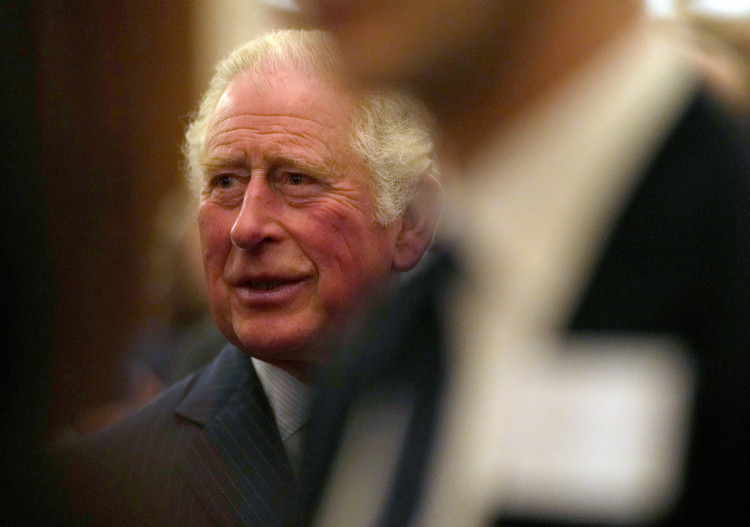
King Charles III and Queen Camilla will proceed with a planned state visit to Washington, D.C., Buckingham Palace confirmed, despite a shooting incident linked to Donald Trump that has heightened security concerns ahead of the trip.
The decision follows gunfire outside the White House Correspondents' Association dinner at the Washington Hilton, where Trump, Melania Trump, and senior officials were evacuated by Secret Service agents. Authorities have described the episode as an "alleged attempted assassination," though investigations remain ongoing.
Buckingham Palace said the four-day visit, timed to coincide with the 250th anniversary of American independence, would move forward after consultations between British and U.S. officials. A palace spokesperson stated: "Following discussions on both sides of the Atlantic through the day, and acting on advice of Government, we can confirm the state visit by Their Majesties will proceed as planned."
"The King and Queen are most grateful to all those who have worked at pace to ensure this remains the case and are looking forward to the visit getting underway tomorrow," the spokesperson added, signaling confidence that security arrangements could be reinforced without derailing the diplomatic agenda.
The shooting has altered the tone of what was intended as a largely ceremonial and symbolic engagement. One law enforcement officer was struck during the incident but survived after being protected by body armor. The suspected gunman, identified in reports as 31-year-old Cole Tomas Allen of Torrance, California, remains at the center of an active federal investigation.
Officials on both sides of the Atlantic spent hours reassessing risk before confirming the visit. British authorities indicated that while the overall structure of the trip will remain intact, "minor operational changes" will be made to certain engagements, reflecting heightened security protocols.
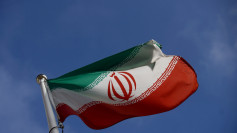
The visit carries broader diplomatic significance beyond its ceremonial framing. It comes amid visible strain between the Trump administration and the government of Keir Starmer, particularly over diverging approaches to the Iran conflict and maritime policy in the Strait of Hormuz.
Earlier remarks by Trump criticizing the U.K.'s stance have added tension, with the president calling Britain's position on the Iran war "terrible" and publicly dismissing Starmer as "not Winston Churchill." Reports have also suggested Washington may revisit its posture on the Falkland Islands, adding another layer of geopolitical friction.
Against that backdrop, the royal visit is being viewed in London as a form of soft-power intervention. While elected officials grapple with policy disagreements, the monarchy is expected to emphasize continuity and shared historical ties.
British officials suggested privately that canceling the trip could have projected instability at a sensitive moment. Maintaining the visit, by contrast, reinforces a "business as usual" posture, even as security risks and political tensions remain elevated.
The King and Queen are also understood to have privately contacted Trump and the first lady following the incident, expressing concern for those affected and appreciation for the response of U.S. security services.