The White House is facing mounting scrutiny after a surge of nearly identical pro-Trump social media posts appeared within minutes of a shooting incident tied to a Washington political event, raising questions about whether influencer messaging is being coordinated behind the scenes.
The controversy follows gunfire reported on April 25 near a high-profile dinner attended by Donald Trump, an episode that prompted a rapid online response from conservative commentators. Within minutes, multiple accounts circulated strikingly similar language linking the incident to the need for a proposed White House ballroom project, fueling speculation about message synchronization.
The speed and uniformity of the posts drew immediate attention from media analysts and political observers. Some noted that the messaging appeared before key details about the incident had been publicly confirmed, intensifying concerns about how quickly narratives can be formed and disseminated in digital political ecosystems.
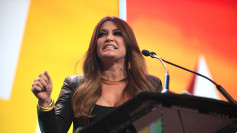
At the center of the allegations is Ashley St Clair, a former MAGA-aligned influencer, who claimed the coordinated messaging was not organic. In widely circulated posts, she alleged that pro-Trump influencers operate within structured communication networks that distribute talking points in real time.
St Clair pointed to what she described as a private group chat, allegedly titled "Fight, Fight, Fight," suggesting it functioned as a hub for aligning messaging across multiple accounts. She argued that such channels allow influencers to respond simultaneously to breaking events with consistent framing. However, she has not provided verifiable evidence, such as authenticated screenshots or documentation, to substantiate the claim.
The episode has reignited a broader debate over political messaging strategies in the social media era. Analysts note that coordinated communication is not uncommon in modern campaigns, where rapid-response teams and aligned influencers often amplify shared narratives. Yet they caution that allegations of covert, real-time instruction networks require concrete proof.
The content of the posts themselves also became part of the controversy. Several influencers framed the shooting as evidence supporting Trump's long-discussed plan to expand White House event space, particularly through a ballroom project. The repetition of similar phrasing across accounts led critics to argue that the messaging appeared scripted rather than spontaneous.
Supporters of the administration and its allies have pushed back on those claims, arguing that ideological alignment and shared talking points can naturally produce similar responses without formal coordination. They contend that political communities often converge on the same narrative in moments of crisis, especially when prior policy proposals are already part of public discourse.
No official statement from the White House has directly addressed the allegations of coordinated messaging. The absence of confirmation has left the issue in the realm of speculation, even as the pattern of synchronized posts continues to circulate widely across platforms.