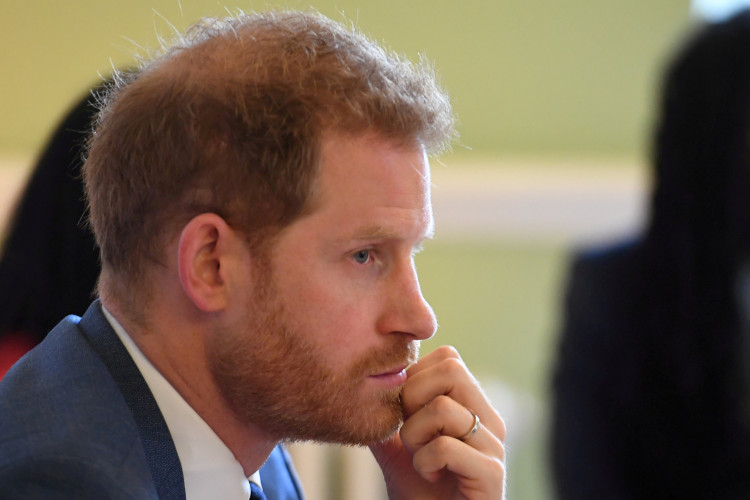
A new government-ordered security review has thrust Prince Harry back into Britain's public debate, as authorities reassess whether the Duke of Sussex should regain taxpayer-funded armed police protection during visits to the United Kingdom. The inquiry, confirmed by BBC News, marks the first full threat-level review for Harry in nearly six years and follows his legal defeat in May, when the High Court rejected his attempt to restore his former security status.
The decision to revisit the matter has triggered an immediate backlash across the country. Critics argue that a prince who renounced royal duties in 2020 and now lives in California should not expect public funding to underwrite his safety. The controversy comes as the Protection of Royalty and Public Figures committee, known as Ravec, directs its Risk Management Board to gather new intelligence, testimony and police assessments.
Harry has framed the issue as a matter of family safety. After the court ruling earlier this year, he told the BBC: "I can't see a world in which I would bring my wife and children back to the UK at this point," calling the outcome "devastating." His legal team argued that Ravec failed to properly reassess the risks when his protection was downgraded, contending he was singled out. Judges disagreed, concluding the process was lawful and that his protection should remain determined "case-by-case," unlike that guaranteed to senior working royals.
The stakes extend beyond legal precedent. King Charles has not seen his grandchildren since June 2022, when Archie and Lilibet attended Queen Elizabeth II's Platinum Jubilee. Before stepping back from duties, Harry-an Apache helicopter pilot who served in Afghanistan-was classified among Britain's most at-risk individuals, ranked near the late Queen Elizabeth II and the Prime Minister.
Public sentiment, however, has hardened sharply. Many Britons, pointing to Harry's wealth, bestselling memoir Spare, and multimillion-pound U.S. media contracts, question why he cannot simply pay for private protection. The national debate intensified after LBC radio host Iain Dale asked listeners: "Should the British taxpayer pay for security for Prince Harry and his family if they visit the UK?" One UK defence analyst captured the prevailing mood, saying: "I'm not a fan of the taxpayer funding Prince Harry's security. What does he do for the UK? Zilch. He should fund it himself."
The Home Office, responding to broader criticism, has reiterated that Britain's security system remains "rigorous and proportionate," while declining to comment on specific cases. Officials will now weigh the evidence collected by Ravec before determining whether Harry's security status changes or remains tied to individual event-based assessments.