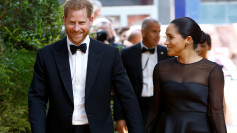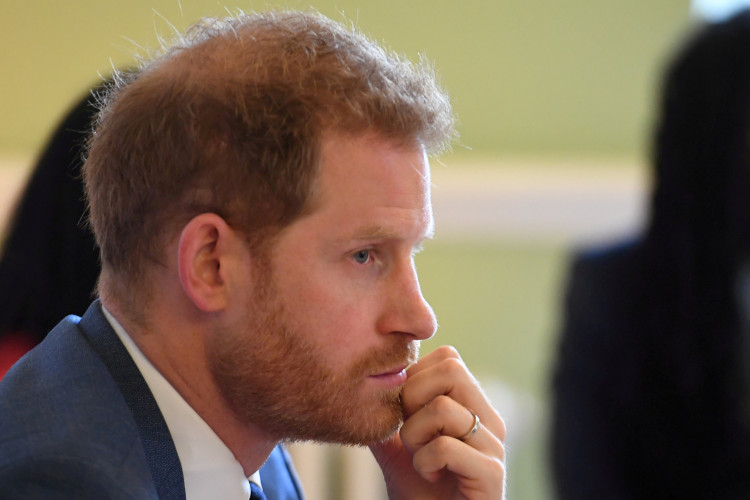
Prince Harry told London's High Court on Wednesday that relentless tabloid scrutiny left him feeling trapped, psychologically destabilized and unable to defend himself publicly, arguing that royal protocols barred him from challenging what he alleges was unlawful information gathering by Britain's largest newspaper publisher.
Appearing for a second day of testimony, the Duke of Sussex said the "institution" of the monarchy prevented him from speaking out when disputed stories appeared, citing the royal code of silence often summarized as "never complain, never explain." "I wouldn't have been able to voice complaints because of the institution I was in," Harry told the court, describing a system that discouraged confrontation even when reporting caused personal harm.
Harry is the most prominent claimant in a case brought against Associated Newspapers Limited, publisher of the Daily Mail and the Mail on Sunday. The lawsuit alleges decades of unlawful information gathering, including phone tapping, property bugging and the illicit acquisition of medical and financial records dating from 1993 through at least 2011.
The case also includes six other claimants, among them Sir Elton John and Liz Hurley, who similarly accuse the publisher of systemic misconduct. Associated Newspapers has denied all allegations, insisting its journalists relied on lawful reporting methods and legitimate sources.
During testimony, Harry described what he called the psychological toll of long-term surveillance and intrusion, telling the court that tabloid coverage fostered paranoia and isolation. "They have turned my wife's life into a complete nightmare," he said, referring to Meghan Markle and the impact of press attention on their relationship.
Harry argued that articles cited in the case-14 published between 2001 and 2013-were not the product of conventional journalism but part of a profit-driven effort to monitor his private life. He alleged that reporters and private investigators working for the publisher fabricated quotes and disguised the origins of information, presenting it as sourced from acquaintances rather than obtained through illicit means.
Pressed by ANL's counsel on whether friends or associates might have leaked information, Harry rejected the suggestion. "I have never believed that my life is open season to be commercialised by these people," he said, maintaining that the reporting relied on unlawful practices rather than social gossip.
A central issue in the case is Harry's failure to challenge articles at the time they were published. He told the court that lodging complaints often worsened matters, amplifying coverage rather than correcting it. The prevailing approach within the royal household, he said, was to ignore inaccurate reporting rather than confront it directly, leaving him without an effective right of reply.