Global oil markets surged into triple-digit territory as escalating conflict in the Middle East threatened one of the world's most critical energy corridors, pushing Brent crude above $100 per barrel and briefly sending prices as high as $110 when trading opened Sunday evening.
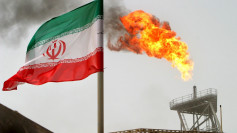
The spike came as tensions around Iran intensified and shipping traffic through the Strait of Hormuz-a narrow waterway that handles roughly 20% of global oil supply-remained effectively halted. The disruption has heightened fears of a prolonged energy shock capable of rippling across global financial markets and consumer economies.
The sudden jump in energy prices immediately weighed on investor sentiment. Stock futures tied to the S&P 500, Nasdaq Composite and Dow Jones Industrial Average fell about 1.5%, signaling growing concern among traders about the economic consequences of disrupted oil flows from the Persian Gulf.
The Strait of Hormuz sits off the southern coast of Iran and functions as a critical transit point for crude shipments from major producers in the region. Under normal conditions, the passage carries millions of barrels of oil and significant volumes of natural gas each day to global markets.
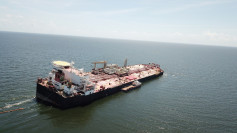
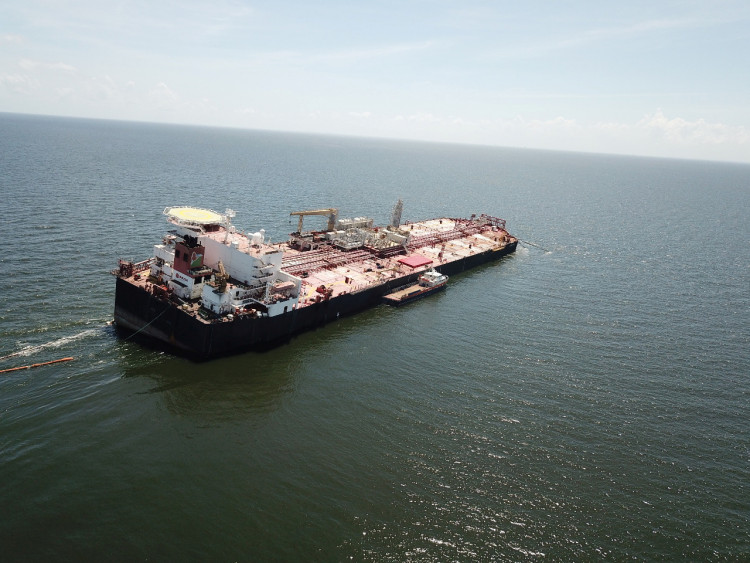
With the corridor effectively closed, exporters including Iraq, Kuwait and the United Arab Emirates have reportedly been forced to scale back production as tankers wait for safe passage.
The market reaction underscores the strategic importance of the chokepoint:
- Roughly 20% of global oil exports pass through the Strait of Hormuz
- Oil prices have climbed about 50% since 28 February following joint U.S.-Israel strikes on Iran
- U.S. gasoline prices have risen roughly 16%, reaching $3.45 per gallon, according to AAA
- Diesel prices have jumped about 22%
Despite the surge, U.S. officials sought to calm fears of a sustained energy crisis. Appearing on CNN, U.S. Energy Secretary Chris Wright argued that the market reaction reflected temporary anxiety rather than a fundamental shortage.
"You're seeing a little bit of fear premium in the marketplace, but the world is not short of oil today or natural gas," Wright said.
Wright added that the disruption to shipping could last weeks but suggested it was unlikely to persist for months.
President Donald Trump, who has made energy affordability a major political theme, dismissed concerns that the spike in prices would cause lasting economic damage.
In a post on Truth Social, Trump wrote: "Short-term oil prices, which will drop rapidly when the destruction of the Iran nuclear threat is over, is a very small price to pay for U.S.A., and World, Safety and Peace."
He followed the comment with a second message emphasizing the point: "ONLY FOOLS WOULD THINK DIFFERENTLY!"